[Urban supernatural + suspense survival + system flow + counterattack from the bottom of the entertainment industry]
Ye Zhiqiu has been floating in Hengdian for two years, but he hasn't even gotten a decent line.
The most outrageous time was when he lay among the corpses of a costume drama for seven hours, and the director didn't even film his face.
Until that text message appeared:
> [Trick System] You are sincerely invited to audition for "The Bride in Red".
> Remuneration: 100,000 yuan.
> Note: This filming is a re-enactment of a real supernatural event, so please be mentally prepared.
He thought it was a scam.
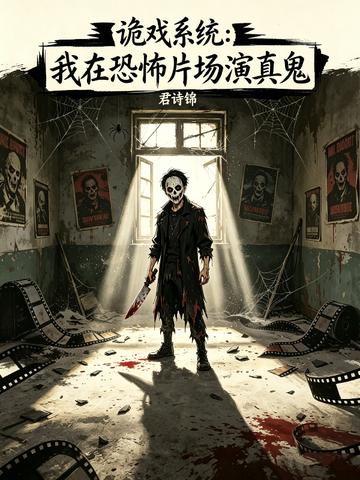
Until he stood in the abandoned theater and saw the woman in the red wedding dress turning her head.
That face was exactly as described in the script.
If you act too fake, you will die.
If you act too realistically, you may never come back.
This is a test of acting skills and a gamble of life and death.
The only thing Ye Zhiqiu has is a face that has been polished by life and can no longer distinguish between true and false.
When the ghost on the stage starts killing people according to the script,
Can you tell whether you are playing a human or a ghost?
Reader comments
I don't know to what extent AI writing has evolved now, but after reading seven chapters of this book, it's obvious that there are two places where the logic of the context and context don't match up.
Although I like the detailed description of the bottom in this novel, this is what AI is good at. I have never used AI to write novels, and I don't know if it can reach this level. If it was written by humans, there shouldn't be such obvious loopholes.
It was mentioned earlier that the extras had eighty-one meals. Later, the protagonist ate steamed buns while the actors ate, and later had tomato rice, and in the evening they had a box lunch of fried shredded potatoes. At home, I soaked noodles in hot water and mixed them with Lao Gan Ma for her fourth meal.
Noodles mentioned here are his daily diet. Four meals cost five yuan, which is calculated as three yuan per catty. One meal of half a catty without oil and water is about the same. But later it was said that after paying the rent, the remaining fifty yuan was not enough for three days. In addition to eating, he also had accommodation. He walked to line up after four o'clock. Why was fifty yuan not enough to buy noodles?
This kind of logical error makes me wonder if I read an AI article.
I give it four points because I really like this kind of detailed description of life.
I don't know to what extent AI writing has evolved now, but after reading seven chapters of this book, it's obvious that there are two places where the logic of the context and context don't match up. Although I like the detailed description of the bottom in this novel, this is what AI is good at. I have never used AI to write novels, and I don't know if it can reach this level. If it was written by humans, there shouldn't be such obvious loopholes. It was mentioned earlier that the extras had eighty-one meals. Later, the protagonist ate steamed buns while the actors ate, and later had tomato rice, and in the evening they had a box lunch of fried shredded potatoes. At home, I soaked noodles in hot water and mixed them with Lao Gan Ma for her fourth meal. Noodles mentioned here are his daily diet. Four meals cost five yuan, which is calculated as three yuan per catty. One meal of half a catty without oil and water is about the same. But later it was said that after paying the rent, the remaining fifty yuan was not enough for three days. In addition to eating, he also had accommodation. He walked to line up after four o'clock. Why was fifty yuan not enough to buy noodles? This kind of logical error makes me wonder if I read an AI article. I give it four points because I really like this kind of detailed description of life.