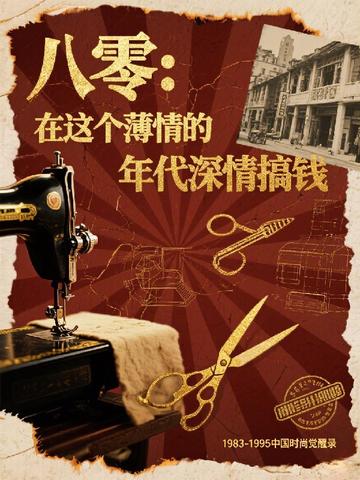
In the autumn of 1983, Suman clutched the divorce certificate and a sewing machine head and boarded the green train heading south. My ex-husband said: "When a woman gets divorced, her life is over."
On Gao Di Street in Guangzhou, rain mixed with sweat and the sound of bargaining. She set up a "Su Ji" tailoring stall under a plastic shed, and transformed the street stall's goods into fashionable styles with every stitch. From making fifty cents a day to making fifty cents a day. When local snakes came to collect protection fees, she handed over the "Criminal Law" manual; when the Industry and Commerce Bureau came to make things difficult, she produced registered trademarks and tax payment certificates.
Opportunities keep coming. The counter of the overseas Chinese store, the golden scissors of the "Golden Scissors Award" national competition, the applause on the beach in Shanghai. But the real test was the state-owned garment factory that was on the verge of bankruptcy and had 121 workers. Equipment is rusty, people are distracted, and debts are mounting.
Suman signed the contract. The old worker said: "What does a self-employed person know about management?" She rolled up her sleeves and repaired the bent spindle in front of the lathe, and demonstrated the arc of the seam next to the sewing machine. The piece-rate wage schedule is posted on the wall, a Hong Kong master is invited to teach keyholes, and orders for navy blue business attire are sent from the city government.
This is a ground-breaking history of a Chinese fashion brand, and it is also an entrepreneurial epic of a woman who, in the wave of the times, used scissors to cut out dignity and used needlework to sew the world. From Gaudi Street in Guangzhou to Paris Fashion Week, what Suman wants to prove is never that "women can succeed", but that "people who work seriously should succeed."