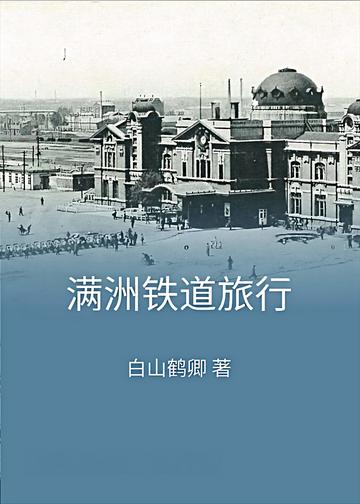
How can a railway trip that should have been filled with sunshine and beautiful scenery turn into a nightmare of blood and terror?
Set in the puppet state of Manchukuo, Manchurian Railway Journey turns six hours aboard a sealed train into a relentless psychological thriller. The young Japanese officer Hasegawa Masao carries a travel guide and dreams of the apple orchards of Jinzhou and the White Pagoda of Liaoyang, unaware that he is stepping into a carefully planned assassination. Gunfire in third class, a bizarre death in first class, secret documents in a briefcase, and a string of mutual-suicide attacks: as gunshots spread from one carriage to the next and suspicion makes everyone a potential killer, Hasegawa can only huddle in the electrical room, clutching a guide he can no longer trust.
The story observes the classical unities, with every conflict erupting and reaching its conclusion along the railway between Dalian and Fengtian. In prose so cool it is almost merciless, it strips away the hypocritical facade of a “civilizing artery” to reveal the bloody reality beneath colonial rule. Survival is no stroke of luck; bearing witness is itself a punishment. When, at the age of ninety-eight, Hasegawa tremulously says “I’m sorry” at the September 18th History Museum, the faded travel guide finally closes on its last page.
History will not forget, and literature ensures that it is not forgotten.