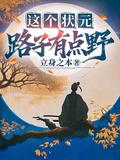
Shen Zhou transmigrates into the body of a merchant family's illegitimate son in Jiangnan. His birth mother is a concubine, his stepmother despises him, his father and brothers are weak and easy to bully, and the clan is watching hungrily, ready to seize his family's fortune.
The good news: In his previous life, he had a master's degree in economics.
The bad news: This dynasty hasn't even invented double-entry bookkeeping.
At a clan gathering, the patriarch slams the table and demands that Shen Zhou's father hand over the land deeds for "safekeeping."
Shen Zhou smiles and produces a stack of family balance sheets, reconstructed according to modern accounting principles.
"You can keep them safe. First, pay back the three thousand taels my eldest uncle owes, the eight hundred taels my third great-uncle took in advance, and every last coin missing from the clan school’s accounts."
The hall erupts in an uproar.
Three months later, Shen Zhou has reorganized the family business as a joint-stock company and heads to the capital with his silver to sit the imperial exams.
In the policy essay exam, while everyone else writes about the sages, he presents an essay titled "On the Relationship Between National Credit and the Issuance of Currency."
After reading it, the chief examiner's hands shake so badly he can barely hold his teacup.
During the palace examination, the young emperor flips through Shen Zhou's paper and suddenly asks a question that leaves the entire court speechless:
"My subject, if I put the Ministry of Revenue in your hands... would you dare take it?"



The more I read, the more I feel