When he wakes up, Shen Tuo, a history graduate student, finds himself in the body of Shen Kuozhi, a failed scholar in the fourth year of Xining.
His family is penniless, and his widowed sister-in-law has pawned their fields to support his studies. Worse still, an imperial edict abolishes the Classics examination. The commentaries and annotations he has spent years studying have become worthless overnight, and he fails the exams. With nowhere else to turn, the wealthiest family in Suzhou, the Gu family, sends him a marriage contract: they will take him as their live-in son-in-law, pay off his debts, and support his studies. There is just one condition: he must take the Gu surname from then on.
A live-in son-in-law. In the Song dynasty, the status means being treated as inferior, scorned, and excluded by the clan. But he has no choice.
Others see being a live-in son-in-law as a disgrace. Shen Kuozhi, however, remains calm. He carries a view of history spanning nine hundred years, understands better than Wang Anshi where the Xining reforms will lead, and knows better than Sima Guang what lies at the root of the Song dynasty’s deep-seated problems. The dilemma of the Green Sprouts Law, the loopholes in the Equal Transport Law, the intricacies of the State Trade Law... All the gains and losses repeatedly analyzed in history books written by later generations are already in his head.
Starting from a silk shop in Suzhou, he watches as the new laws are implemented on the ground: petty officials exploit the people, wealthy households pass the burden on, and ordinary families fall into hardship. A lowly son-in-law with no one to rely on and no authority to wield, he can only use the Gu family’s business network to understand the pulse of the era, one step at a time, through land tax records, shipping routes, and price fluctuations.
At court, he debates the merits and drawbacks of the new laws with Wang Anshi, making his point with every word. He drinks wine and composes lyrics with Su Shi, laughing as they discuss the literature of past and present. He listens to music in the pleasure quarters and writes lyrics by the Qinhuai River, becoming the son-in-law who knows the Song dynasty better than anyone.
From the humble position of a failed scholar who became a live-in son-in-law, he advances cautiously, step by step, until he stands at the very center of imperial power.
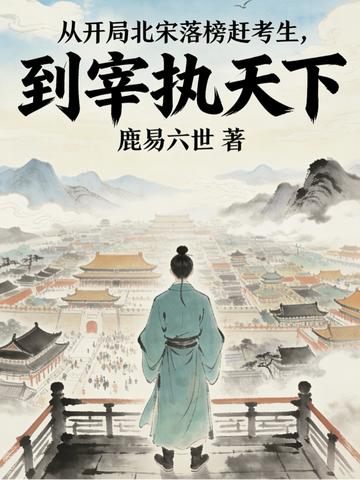
 Lu Yiliu's 30th Book
 Eerie Descent: No One Understands Dungeon Rules Better Than Me
 From the Start, I Raised a Weasel's Affection
 Livestreaming My Daughter’s Protection: I’m the Guardian War God
 Transmigrate to the Qing Dynasty: My Father Is Hong Xiuquan
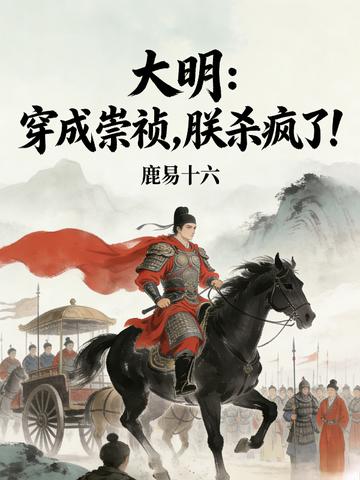 Great Ming: Reborn as Chongzhen, I Slaughter Them All!
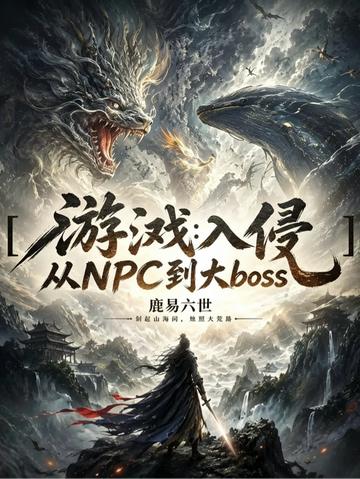 Game Invasion: From NPC to Final Boss

It's okay, but there are still some basic problems, such as the title. The protagonist is a history student. You need to understand these common sense.