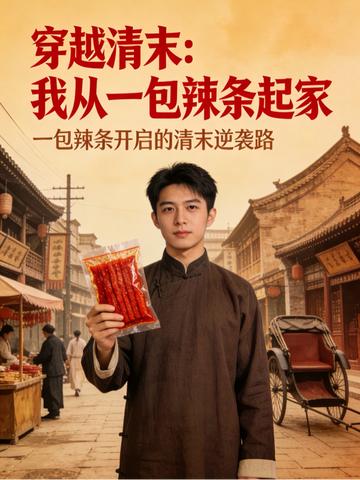
Can a pack of spicy strips save the country? Lin Yuan traveled to Lin Yuan after his defeat in the Sino-Japanese War and decided to give it a try.
Foreign goods were dumped and silver was flowing out, but he wanted to use this red color to open a hole. Starting from a spicy noodle shop in Guangzhou dock, he recruited refugees, taught skills, and used the profits from "Yuanji" to secretly support young children going to the United States and purchase machine blueprints. The British East India Company coveted the formula. He said: "This thing is only for Chinese people."
When the great powers used opium to extract wealth, he expanded the spicy strip factory into a food industrial park - pepper cultivation, grain and oil processing, and machinery manufacturing were all linked together. Foreigners laughed at him for only making snacks, but he used industry to tell the land: Chinese factories can feed themselves and support their backbone.
From the Thirteenth Bank to the Shanghai Concession, a smokeless economic defense war started with a pack of spicy strips. This is the conquest of taste buds, and it is also a story of a national industry stubbornly taking root in the cracks.