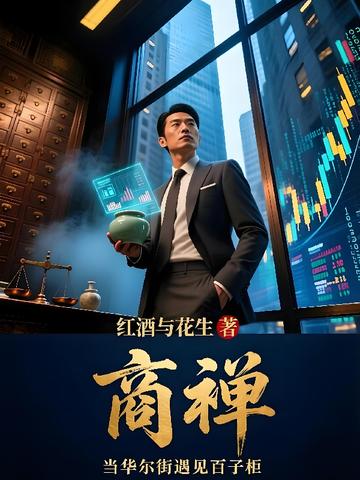
When Li Zhengyuan stood in front of the floor-to-ceiling window of JPMorgan Chase in New York to sign his resignation letter, he did not expect that the biggest gamble in his life would unfold in his father's debt-ridden traditional Chinese medicine factory. This genius who once used mathematical models to harvest global capital now has to face a pile of yellowed prescriptions and a group of old masters waiting to be paid.
"A box of ointment costs RMB 38. I will offer you RMB 5 million to buy you." The representative of the multinational pharmaceutical company smiled and was determined to win. Li Zhengyuan turned the celadon medicine jar in his hand and suddenly smiled: "Do you know what is the most valuable thing here? It is not the few medicines on the ingredient list, it is the thirty years of kneading work of the master's fingertips, and it is the first scent of the medicine that the patient smells when he opens it - can your machine replicate these?"
From Wall Street to traditional Chinese medicine workshops, from capital games to cultural inheritance, Li Zhengyuan launched an unprecedented business experiment. When AI algorithms met the "Compendium of Materia Medica", and when financial leverage leveraged intangible cultural heritage skills, he gradually discovered that the real business wisdom was hidden in the ancient admonition: "A great doctor is sincere and his benevolence helps the world." And when the traditional Chinese medicine AI diagnosis system developed by his team caused an industry earthquake, what awaited him was not only a tens of billions valuation, but also a life-and-death battle about technological ethics...