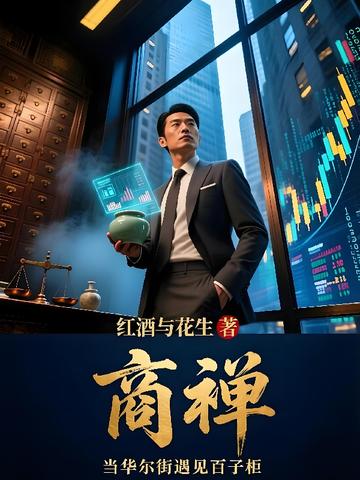
When Li Zhengyuan stood by the floor-to-ceiling windows of JPMorgan Chase in New York and signed his resignation letter, he never imagined that the biggest gamble of his life would unfold in his father’s debt-ridden Chinese medicine factory. The genius who once used mathematical models to reap profits from global capital now faced stacks of yellowed prescriptions and a group of veteran workers waiting for their wages.
“It costs 38 yuan to make one box of herbal paste. I’ll offer you five million to buy the place,” said the multinational pharmaceutical company’s representative, smiling with absolute confidence. Li Zhengyuan turned the celadon medicine jar in his hands and suddenly laughed. “Do you know what the most valuable thing in this jar is? It’s not the ingredients listed on the label. It’s the thirty years of kneading skill in the old master’s fingertips, and the first wisp of medicinal fragrance a patient smells when they open it. Can your machines reproduce that?”
From Wall Street to a traditional medicine workshop, from financial games to cultural heritage, Li Zhengyuan embarks on an unprecedented business experiment. When AI algorithms meet the Compendium of Materia Medica, and financial leverage propels traditional intangible cultural heritage crafts, he gradually discovers that true business wisdom lies in an ancient maxim: “A great physician is sincere and compassionate, using benevolent medicine to save the world.” But when the traditional Chinese medicine AI diagnostic system developed by his team sends shockwaves through the industry, what awaits him is not only a valuation of tens of billions, but also a life-or-death battle over the ethics of technology...