In 1935, I was in Yihai. It's late spring in Shanghai, and the plane trees in the French Concession are still curled up with last year's dead leaves, rustling in the cold east wind. Deep in Xiafei Road, an old plaque of "Zhiyue Bookstore" hangs on an inconspicuous facade, the paint color mottled like the ringworm of time. On ordinary days, this is just a secret place circulating among literati - specializing in the sale of tabooed books, from bound volumes of "New Youth" to pirated copies of Soviet novels. But on the afternoon of the seventh day of March this year, a seemingly elegant tea party was held on the second floor.
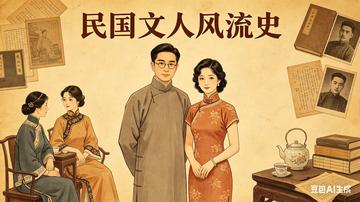
In front of the pear wood table by the window, Su Zhenshu, the main writer of "Declaration", put down the teacup that was blue after the rain. The porcelain wall is extremely thin, revealing the warm amber color of the tea soup. He stands in his senior year, wearing a navy blue serge gown, and his eyes behind gold-rimmed glasses are usually stern - a look tempered by years of exposure to the smoke of newsprint. At this moment, this gaze drifted to the window involuntarily.