At 45, Su Xiaoman lost two things at once: her job and her marriage.
On the day she was laid off, she saw the “Mom, you can do it!” card her daughter had drawn in the car and cried for a full ten minutes. Then she wiped her tears and returned to her hometown to deal with the demolition agreement her father refused to sign.
The old factory buildings were about to be torn down. Her father guarded a room full of “junk”: rusty machines, yellowing awards, and dust-covered files. He refused to sign, no matter what.
“Before your mother passed away, she told me to take care of this factory,” her father said.
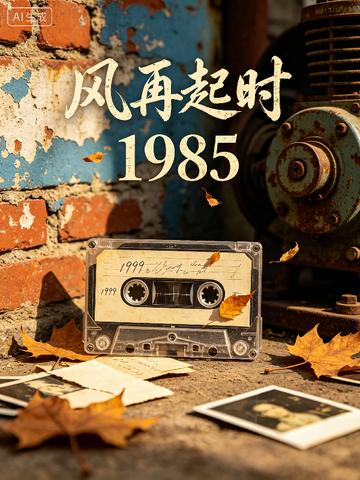
Late that night, Su Xiaoman found a cassette under her father’s bed. Its label read, “1999 · Graduation · Us Twenty Years Later.”
She posted a photo in the “Old Factory Kids” group chat, and seven childhood friends who had long since lost touch returned, each with their own agenda.
Zhao Dayong arrived in a borrowed car, putting on a grand show despite being buried in debt.
Lin Xiaomei showed up in a luxury car and immediately launched a drone, though her Beijing home was completely empty.
Lu Yiming wrote in the group chat, “I’ll come back too.” Su Xiaoman’s heart skipped a beat.
The cassette was repaired. The voices of 1999 crossed twenty-six years.
Zhao Dayong said, “I’m going to be a boss and drive the best car.”
Lin Xiaomei said, “I don’t want to get married. I want to go to Beijing.”
Lu Yiming said, “I want to marry Su Xiaoman.”
But eighteen-year-old Su Xiaoman’s words were erased before she could finish.
The developers gave them thirty days. The seven decided to bring the old primary school back to life, and nobody could stop them.
The livestream went disastrously wrong, and three hundred million people were moved to tears.
The factory was built in 1985, and it was still standing in 2026. Some things matter more than money.