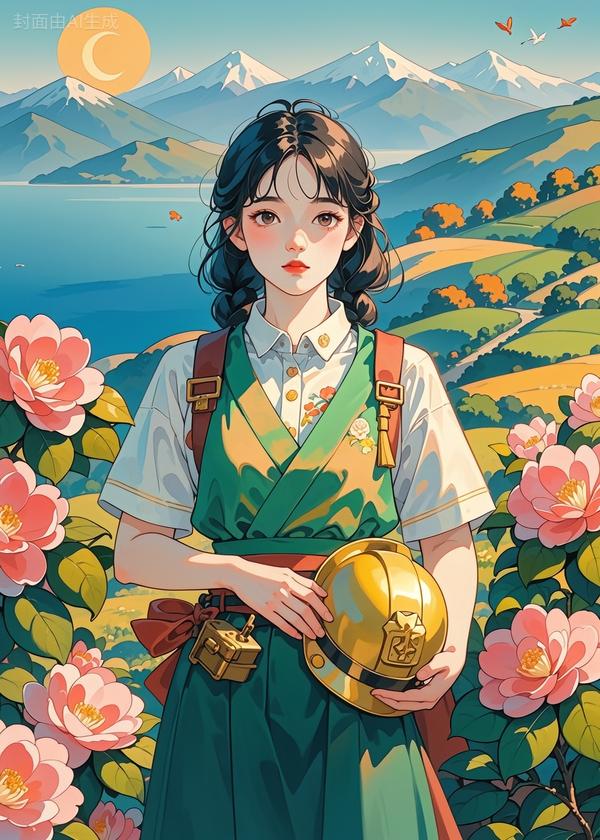
Mo Jialin’s Campus Life is a four-volume novel by Mo Fenggang. It follows the twelve years Mo Jialin, a girl from Hunan, spends studying, from a township middle school to a PhD at Peking University, and explores the profound bond between her and her father, Mo Fenggang, an old miner. Her father spent thirty years working underground in Shanxi, survived a mine disaster in 1995, and, after getting out of prison, planted an oil-tea forest on Wawu Mountain to atone for his sins. His daughter carries his miner’s ID into the town middle school, pins a hand-drawn map of “home” beside her dorm bed, and adopts her first oil-tea tree. During the physical education entrance exam, her father cheers her on, holding up a sign with “Jialin” written on it. He misses the parent-teacher meeting because he is “afraid of embarrassing his daughter,” but asks someone to pass along an awkward letter.
From her admission to the city’s No. 1 High School through her undergraduate, master’s, and doctoral studies at Peking University, Mo Jialin struggles with the urban-rural divide. She and her father disagree, then make peace, as the language of “trees” and “ecology” clashes between them. Her friend Lin Xiaowei’s unexpected pregnancy, the founding of the Wawu Mountain cooperative, and her father’s diagnosis of late-stage pneumoconiosis help her understand the true meaning of “You have to go far away before you can come back.” It isn’t about returning home geographically. It means bringing back knowledge, resources, and perspective so that new branches can grow from your roots.
With “turning black gold into green gold” as its central metaphor, the novel explores the roots and wings of rural children in contemporary China, the ecological transformation of a generation of workers, and the silences and words that shape communication between generations. Each volume ends with classical poetry, creating a narrative structure that pairs poetry with proof. The miner’s ID, oil-tea seeds, and red ribbons on the adopted trees serve as tangible mementos of emotion throughout the book. This realist work about educational equity, rural revitalization, ecological restoration, and reconciliation between generations is dedicated to everyone seeking balance.
 Mo Jialin's Campus Life
 Impressions of Southwestern Hunan: The First Natural Chinese Medicine Therapy Valley
 My Mother-in-Law Is Pregnant, and I'm the Father
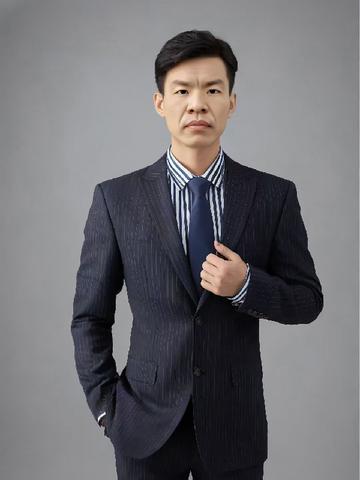
 Brother Shaoyang Mo Fenggang: Life Is a Play
 The Moon in Dongguan Never Shines
 The Plague God's Record: A Fateful Romance in Hunan and Hubei
 I Slept with My Sister's Best Friend, and She Turned Out to Be My College Professor
 Reborn in the 1970s: My Rugged Husband Spoils Me With Billions