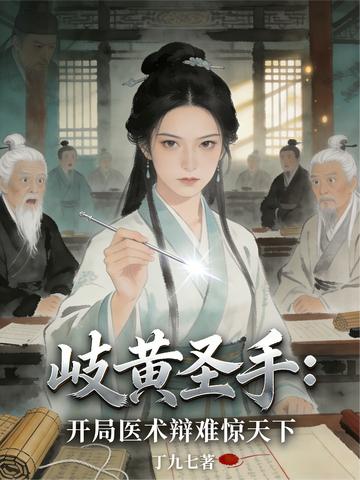
Ji Yunchu, a modern doctor with two PhDs in medicine, opens her eyes to find her neck trapped beneath a bronze execution blade at a Western Zhou-era execution ground. Her ex-husband has sent her to the chopping block on charges of “having an illicit affair with another man” so he can seize her family's medical texts.
At the brink of death, she watches the executioner gasp for breath and blurts out, “Big brother! You've had atrial fibrillation for at least three years!”
Three silver needles save the executioner and win her a temporary reprieve from execution. From then on, Ji Yunchu, the disgraced daughter of a convicted Imperial Medical Bureau official and the abandoned wife from the execution ground, wields modern medicine and ancient wisdom alike. In an age that considers women practicing medicine a defiance of convention, she tears open a path to survival by sheer force.
A hellish start? She'll defy fate and change her destiny.
With a scalpel in her left hand and a scientific mind in her right, she opens the Qihuang Clinic in the capital. When the Imperial Medical Bureau declares a patient with ruptured intestines and a ravaged abdomen beyond saving, she stitches them up with mulberry-bark thread and brings them back to life. When imperial physicians are helpless against a cerebral hematoma, she drills into the skull and drains it, following bamboo slips from the Shang dynasty. When her “golden-needle cataract removal” restores sight to the blind, the entire medical world is shaken.
She knows the real battle isn't fought in court debates, but on the knife's edge between life and death. She wants to save more than lives: she wants to preserve the future of a medical civilization that this age is about to lose once more.
“My path isn't found in the Imperial Medical Bureau's books.” She rolls the needle between her fingers, her gaze blazing. “It's among the lives and deaths of the common people.”