Stats
5.8Score
Synopsis
No synopsis yet.
We haven’t got an English blurb for this one. It appears once the source description has been translated.
We haven’t got an English blurb for this one. It appears once the source description has been translated.

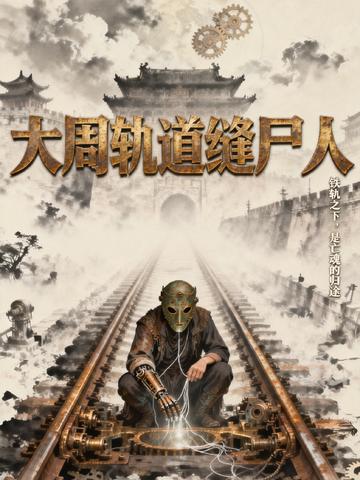
If the traditional fairy is overlooking all living beings from the clouds, then "The Great Zhou Orbital Sewing Man" brings the perspective to the muddy track to gaze at the ants crushed by the wheels of the times. The most touching thing about this work by Wood Bird of Prey is not its fantastic setting, but the humanistic care flowing between the lines. It is a social allegory cloaked in suspense, with every stitch and thread suturing the wounds of human nature. The protagonist in the book is not a hero who enjoys revenge in the traditional sense. He is more like an observer and recorder who walks on the edge of life and death. As an orbital corpse stitcher, what he witnessed was not the fall of heroes, but the powerlessness and despair of small people under the huge social machine. Those who died due to orbital pollution include workers who were squeezed to death by capital, chess pieces abandoned by the powerful, and believers who were lost in the collapse of faith. The protagonist sews up their bodies for them, which is actually making a final and dignified farewell to their broken lives. The author's attention to detail is particularly outstanding. The roar of steam locomotives, the sizzling sound of spells burning on metal, the air mixed with the smell of kerosene and blood... These sensory descriptions together create a depressing and fascinating atmosphere. In this world, technology has not brought absolute progress, but has become a breeding ground for new crimes and terror. The ancient mystical arts can no longer protect the world and can only survive in the cracks of steel. This feeling of transition between old and new is vividly described by the author. The profound thing about "The Great Zhou Orbital Sewing Man" is that it does not give a simple answer. It does not celebrate the greatness of technology, nor does it blindly nostalgic for the past. It just calmly presents a complex and contradictory world, allowing readers to think for themselves: When traditional morals and beliefs are shattered by industrial civilization, how should we place our souls? The needle and thread in the protagonist's hand may not be able to sew up the cracks in the entire world, but every stitch he makes is a defense of the dignity of life and a silent resistance to this crazy era. This book is worth reading for all readers who like in-depth stories. I'm speechless behind this
The story is still very attractive
This book is still highly recommended