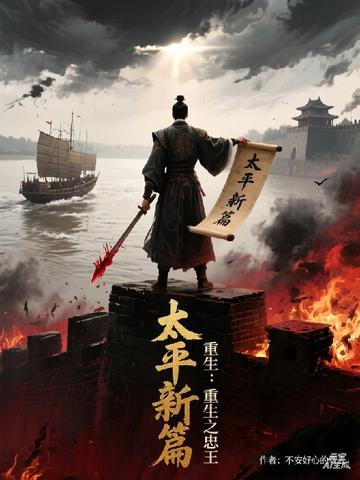
In the early spring of 1853, aboard a warship on the Yangtze, Li Xiucheng wakes from a haze with certain images he cannot shake. They are not revelations from the Heavenly Father, but something clearer and heavier: the bloody shadow of betrayal, the dead end of a lone army, the smoke of faith finally collapsing.
He knows too many things he should not know. He knows when the cracks beneath the scepter will show, what suspicions loyalty will face, and the fate concealed beneath those spirited faces. But this time, he is no longer merely a pawn moved across the board.
Between the fog of faith and the sharp edge of reality, he carves out a careful, steady path. He reforms military discipline during the western campaign, tests new agricultural and commercial policies in Jiangnan, and at every turning point in history makes choices that seem to follow the current but conceal long-term designs. When the storm engulfs Tianjing, he preserves his strength in the name of "defending the gateway," quietly becoming an indispensable pillar in the land left devastated by the disaster.
Yet his true plans lie farther north. He leads his troops out of Anhui, not to charge straight for the capital, but to drive like a wedge into the heart of the Central Plains. He intends to sever the lifeline sustaining the empire and attempt to establish a new order on scorched earth. He plays down the Heavenly Father and Heavenly Brother, replacing them with "peaceful settlement and cultivation of the land." He cautiously engages with foreign powers to buy time. Every step tests another possibility for history.
But this is destined to be a lonely march. In the eyes of his comrades, his far-reaching plans may look like cowardly hesitation. His clear-eyed judgment seems out of place amid the feverish fervor. More painfully, as he tries to change the tide's direction, he discovers that the flood is reshaping him too.