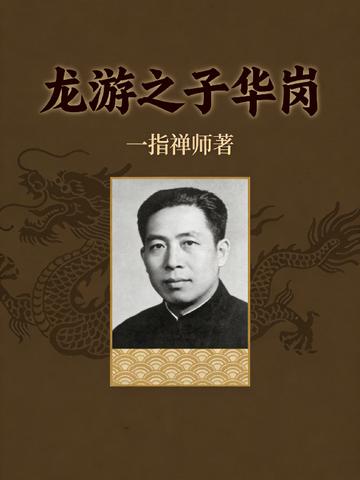
In the fourteenth year of the Republic of China, the troubled times were like darkness. Hua Yannian, a young man from the mountain village of Longyou in western Zhejiang, was unwilling to let the people live under heavy taxes and power. He used pen and ink as a blade and words as a fire, determined to awaken the sleeping people.
He was originally a scholar from a farming and studying family, but he chose to write the truth that most pierced the darkness in the troubled times shrouded in white terror, hiding progressive thoughts in his manuscripts and quietly sowing sparks. A piece of manuscript was a reminder. The Longyou government regarded him as a thorn in the side. The security team surrounded and ransacked his home, with guns pointed directly at his chest. Life and death only took a moment.
At the time of crisis, Yu Shaosong, a local sage, came to protect him, but the government pursued him. Arrest orders from Nanjing followed one after another, and he was surrounded and killed every step of the way. Hua Yannian was imprisoned and faced death several times, but never gave up. He used his thin body to fight against the power of the troubled times, and used a bald pen to fight against the dark tyranny.
From traveling in the mountains to the waves in Shanghai, from being in prison to running underground, he changed his name to Huagang, abandoned stability and went into danger, devoted himself to the road of faith, translated truth, spread ideas, and became a bright spot in the dark Republic of China.
In troubled times, surrounded by powerful forces, some compromised and others perished, but he was the only one who maintained his sincerity, using ink as fire and pen as torch. Even if he was in desperate situation, he vowed to ignite a prairie fire, burn away the injustice in the world, and awaken thousands of people. This is a scholar's struggle in troubled times. It is the most ardent persistence of faith in the dark age.