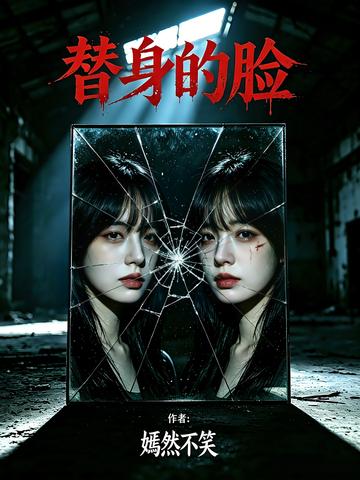
When "substitute literature" is combined with "organ transplant memory", a woman who underwent plastic surgery to look like a rich man found that she not only lived for her, but also slowly "died" for her.
Late night, high-end apartment. The heroine Su Nian woke up from a nightmare. She turned on the front camera of her phone with trembling hands. The face on the screen was flawless. It was the face that she had spent a year and spent all her savings on - the face of Shen Ruotang, the daughter of a wealthy family. But what frightened her was not this face, but the perspective of falling from a high place in the dream, the feeling of weightlessness, and the words she heard before falling to the ground: "She must disappear." She had obviously only dealt with the family for Shen Ruotang, who was studying abroad for three months. Why did she feel like she was Shen Ruotang now? What was even more terrifying was that she discovered that Shen Ruotang's fiancé, Lu Siyan, the head of the family business, was looking at her from a look of scrutiny to a kind of morbid obsession.
The puzzle of identity and the authenticity of memory. Who I am? Is it something I remember, or is it something I performed?