Kyoto, evening. A photography enthusiast points her camera at the tactical analyst standing at the edge of the stage. Light and shadow each take up half the frame. She presses the shutter. That is where the story begins: two photographs, two people, one alley.
Gu Ping sees the world through her lens. She takes a photo of Chu Qiao looking up, but can’t explain why. Chu Qiao stands where light meets shadow. She doesn’t say where she came from or ask where she’s going. They meet at a coffee shop, sit beneath a pedestrian bridge, and develop a whole wall of silence in a red-lit photo lab. “I’m always afraid that if I stop, no one will want me anymore.” “You can stop. I’m here.”
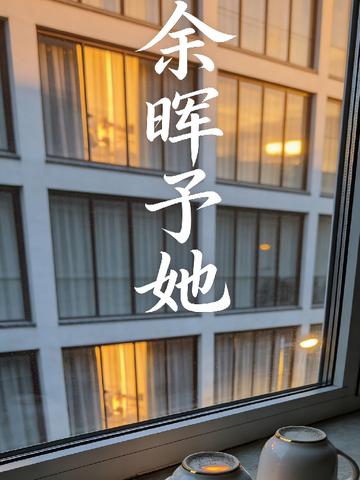
In October, Chu Qiao leaves. No goodbye, no explanation, just two words: “I’m here.” Gu Ping turns a cup upside down on the windowsill and looks at the empty window across the way. She doesn’t ask why. They each go on living: one writes a novel called Afterglow in Kyoto, while the other watches data in Shanghai, suffers stomachaches, and opens a chat window late at night only to close it again. A year and a half. Neither lets go. Neither reaches out. They simply live.
Later, the door opens. Later, there are two cups of coffee, one Americano and one latte, with the red light on the warming plate glowing. Later, someone sits down and, just like before, hisses when the noodles burn their mouth.
This is not a story about a confession. No one says “I love you.” No one says “I’ll wait for you.” It’s about two people slowly entrusting their lives to each other: through silence, through habit, through the arc of a cup turned upside down and then set right again, through each tick of the second hand past 6:47 p.m., through every page where they don’t say “I miss you.”
Two copies of Afterglow end at the same time. One on paper, the other on a windowsill.