Kyoto, evening, a photographer focuses his lens on a tactical analyst on the edge of the stage. There was half light and half dark, and she pressed the shutter. That's the beginning of the story - two photos, two people, an alley.
Gu Ping sees the world through the lens. She captured the moment when Chu Qiao raised her eyes, but she couldn't explain why. Chu Qiao stood at the intersection of light and shadow, not telling where she came from or where she was going. They met in cafes, sat under the overpass, and developed a whole wall of silence in the red-light photo studio. "I'm always afraid that if I stop, no one will want me." "It's okay if I don't stop, I'm here."
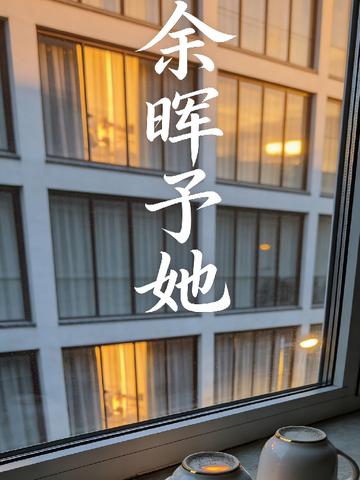
In October, Chu Qiao left. No goodbyes, no explanations, just two words: here. Gu Ping turned the cup upside down on the window sill and looked at the empty window opposite without asking why. They live separately - she is writing a novel called "Afterglow" in Kyoto, and she is reading data in Shanghai, suffering from stomachache, opening and closing dialog boxes late at night. A year and a half. No one to let go, no one to contact. Just stay alive.
Then the door was pushed open. Later, there were two cups of coffee, one Americano, and one latte, and the red light on the heating plate was on. Later someone sat down and, like her before, the noodles would hiss when they were burnt.
This is not a story about confession. No one says "I love you", no one says "I wait for you". This is two people slowly handing over their lives to each other - using silence, using habits, using the arc of the cup turning upside down and over, using the ticks skipped by the 18:47 minute and second hand, and every page without saying "I miss you".
The two "Afterglow" books ended at the same time. One on paper and one on the windowsill