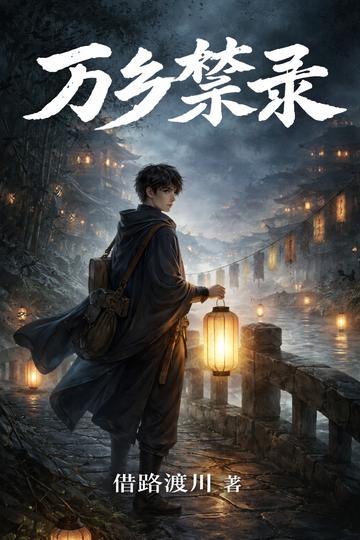
There are many rules in this world, no one can tell when they were passed down.
Children cannot be called by their full name before they are seven years old;
When crossing a bridge at night, you cannot count the steps;
Put a lamp on the white dew, but no wish can be written in the lamp;
Before entering the mountain, you need to borrow a road;
When a dead person is buried, his or her real name cannot be taken into the grave.
Most people regard these as absurd old customs, and only a few people know that these are not superstitions, but life-saving methods left down by their ancestors. Because there are some things in this world that cannot be disturbed; some places that cannot be mistaken; some names, once known at night, can never come back.
When he was seventeen years old, Lu Zhaochuan, a young man who gave someone a name to earn a living, lost his master after a "name return" ceremony and only got half an old book that was soaked in water. Following the book, he traveled through hundreds of villages and cities, collecting names for people, making up rules, walking at night, and gradually discovered that the name he used now was actually a borrowed one.
Three hundred years ago, the imperial court deleted old names in the world and abolished old local covenants in the name of "cutting taboos." Three hundred years later, those deleted names, suppressed old places, and forgotten taboos are growing back bit by bit from the depths of the land.
And Lu Zhaochuan happened to be the only person who was brought out of that old incident.
This is a story about names, old rules, places and memories.
It is also a story about a young man who renamed the world.