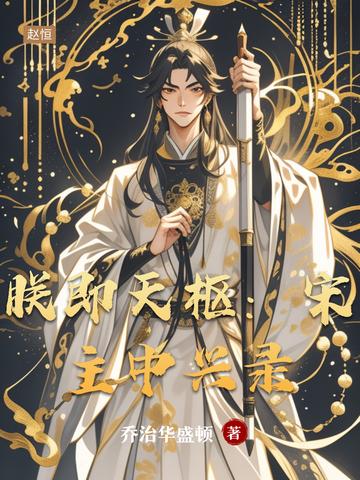
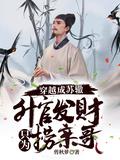
Zhao Huanhun, a graduate student in the Department of Modern History, became Zhao Gou, Emperor Gaozong of the Song Dynasty who had just ascended the throne. He established his survival goals amidst the fear and chaos. He used knowledge and courage beyond the times to resolve initial crises such as the "Miao and Liu Mutiny", stabilize the southern half of the Yangtze River, and lay the foundation for change.
Reader comments
Highly recommended [shy]
🌟🌟"I am Tianshu: Records of the Song Dynasty's Zhongxing" uses historical materials as the bones and narrative as the flesh to reconstruct the power game map of the Southern Song Dynasty's political power. 📖The author's microscopic portrayal of the interaction between the emperor and his ministers is particularly skillful. He disassembles the political wisdom of Emperor Gaozong and Zhao Gou into a rational deduction like a decision tree model, rather than a simple facial expression. 🎯The data visualization in the economic policy chapters of the book makes boring fiscal reforms as clear and perceptible as dynamic charts. The ultimate significance of historical writing may lie in transforming the fog of the past into a prism for understanding the present.

Highly recommended [shy] 🌟🌟"I am Tianshu: Records of the Song Dynasty's Zhongxing" uses historical materials as the bones and narrative as the flesh to reconstruct the power game map of the Southern Song Dynasty's political power. 📖The author's microscopic portrayal of the interaction between the emperor and his ministers is particularly skillful. He disassembles the political wisdom of Emperor Gaozong and Zhao Gou into a rational deduction like a decision tree model, rather than a simple facial expression. 🎯The data visualization in the economic policy chapters of the book makes boring fiscal reforms as clear and perceptible as dynamic charts. The ultimate significance of historical writing may lie in transforming the fog of the past into a prism for understanding the present.