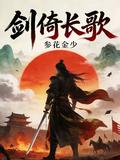
This is more than just a biography of Li Bai. It is also an epic about the rise and fall of the High Tang dynasty. The book vividly portrays his deep affection for Xu Ziyan and Zong Yueyao, as well as his entanglements with all kinds of figures from the martial world, recreating the blood, tears, and passion behind "Departing Early from Baidi City" and "Bring in the Wine." It offers the chivalry of Jin Yong alongside the truths buried deep in history.
He is the immortal poet whose words alone could summon half the High Tang, and a wandering swordsman bold enough to challenge fate. He charges through life between court and martial world, arrogance and destitution, using poetry and the sword to write the legends of the High Tang, while embodying the freedom and tragedy the Chinese people long for most.
At twenty-five, he left his family to travel the world, a three-foot sword at his waist and a jug of rough wine in hand. The surging Yellow River became the grand passion of his verses, and the perilous Shu Road forged the proud spirit of his poetry. With the wild confidence of a man who would "laugh aloud and leave through the gate," he burst into Chang'an, only to leave in resolute defiance: "How could I bow and bend before the powerful?"
At court, he was heaven's favored son, the man who had the Noble Consort grind ink and the palace strongman remove his boots. Far from court, he was a disheveled poet who drank, sang, and befriended heroes. He dreamed of saving the world, but joined the wrong warlord's administration and found himself in the desperate predicament of exile to Yelang. Pardoned at Baidi City, he sailed past countless mountains. The line "My light boat has passed ten thousand mountains" was more than a line of poetry: it was a cry from a man who had survived disaster.
His life held no smooth road, only repeated falls from the clouds into the mire, followed each time by a rise on the strength of his poetry and sword. From a dashing young man to an old man weathered by life's vicissitudes, he composed with his life a final ode to "seizing the years of youth with wine and poetry," and left behind the eternal, carefree spirit of "When life goes well, enjoy yourself to the fullest."