He had died before, not once, but in countless cycles of reincarnation, cut down again and again, erased time after time, until even his very existence was under scrutiny.
Then one day, deep within the cycle of reincarnation, he did something from which there could be no turning back: he cast a fragment of his origin into the past.
In that instant, a name was born.
Beiduobang.
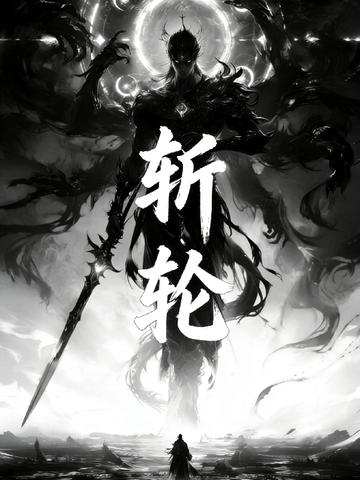
Later, someone walked through the demon realm with a sword on his back, awakening amid a sea of corpses and resentment. Someone else shattered the cycle of reincarnation, forging a new path where none existed.
He cultivated more than just the Dao.
The path he walked was the “Dao-Splitting” path.
But gradually, he discovered
The being who had once severed the cycle of reincarnation and silenced all the worlds seemed… to have shared his origins from the very beginning.
If he was destined to be killed in the future
Then he would return to the past and first become the “unmatched one.”
With a sword that turns nothingness into another self, he cuts through the cycles of past and future, this life and the next.
Cultivation realms in this book:
1. Traditional cultivation realms: Dustroot, Path Establishment, Dao Integration, Profound Dao, Decay Shattering, Boundary Severing, Saint Realm
2. Reverse-Dao cultivation ranks: Low-Rank Dao-Splitter, Mid-Rank Dao-Splitter, High-Rank Dao-Splitter, Final-Rank Dao-Splitter
3. Demon Realm cultivation ranks: Fallen Demon, Demon Lord, Demon Venerable, Demon Emperor, Demon Sovereign, Demon God
4. Emperor Realm cultivation ranks: Great Emperor, Heavenly Emperor, Divine Emperor, Ancestral Emperor
(The pacing is slow early on. Readers looking for exciting action can skip straight to Chapter 16 after reading Chapter 1. The elements of Western mythology begin in Chapter 22, so anyone interested can start there.)