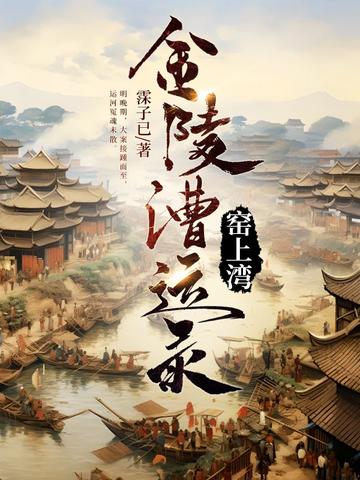
Set against the crisis in grain transport during the Tianqi era at the end of the Ming dynasty, this work draws on the development of the Grand Canal cultural belt. Its story begins in the ancient town of Yaowan and follows the investigations of Song Jingshun, a frontier scout, and a young Yaowan artisan skilled in intangible cultural heritage, recreating the prosperity and turbulence of grain transport in the late Ming.
Through five major cases, the story explores the spiritual core of the Grand Canal region's grain transport culture and the history of the Ming dynasty. As the investigations unfold, it weaves in history, culture, politics, and economics, along with the wisdom of traditional intangible cultural heritage such as Nuo dance, porcelain craft, and water conservancy, and the spirit of investigating the nature of things to acquire knowledge. These are put to extensive use in criminal investigations. The customs, everyday life, and cuisine of the Ming dynasty are also woven into the protagonist's daily efforts to punish evil and uphold justice.
In the end, the protagonist takes on the role of a Yaowan artisan to root out corruption in grain transport and protect the foundations of the state.
The work aims to celebrate the responsibility Chinese people feel toward their country and their families, reflecting the turbulence and transformation they experienced during the great era of the Ming dynasty. Through the protagonist's observations and experiences, it paints a historical portrait of the Chinese people carrying on the Grand Canal's thousand-year cultural legacy and affirming confidence in their nation's culture. It vividly expresses the Chinese nation's enduring spirit of strength, steadfastness, and passing the torch from generation to generation, inspiring confidence in continuing the Grand Canal's cultural legacy!
Okay, pretty good.