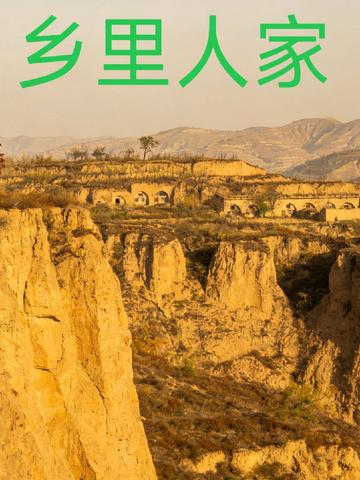
The story takes place in a village called Yangjiazhuang in the dry plateau of Weibei, Shaanxi. With the three generations of Yang Laowan's family as the core, and around the lifeline of "land", a history of rural changes spanning thirty years is unfolded.
In the early 1980s, the spring breeze of household responsibility had just blown through this barren yellow land. Yang Laowan is the old man who knows the earth best in the village. He believes that "the earth is alive" and needs to be rested, nourished and respected. However, times have changed - the wave of migrant workers has swept away young people, villages have been hollowed out by schools being withdrawn and merged, and capital from land transfers has quietly entered the villages. The son stands between the obsession of his father and the temptation of reality, the daughter-in-law changes her mind to giving birth to a new life in an earthen kiln, and the neighbors Yang Wancai and Niu Dan's family pay a heavy price in the choice between "reserving land" and "keeping land".
The novel is structured around the four seasons of farming, and uses the spoken rhythm of Shaanxi dialect to delicately describe daily life in the countryside, such as plowing, thinning, hunting, going to the market, and weddings and weddings. In the simple writing of a meal, a hoe and a sickle, an eternal proposition is asked: When the land is no longer the lifeblood of farmers, where should people put their roots?
This is a love letter to the land, and also a rural elegy that fades away amidst the roar of bulldozers.
Reader comments
The writing is very real and has a very rural atmosphere in Shaanxi.





The writing is very real and has a very rural atmosphere in Shaanxi.