Jiang Yue transmigrated into a book.
She landed in a period novel as the “foil” to the heroine, Jiang Lin.
In the original story, Jiang Lin was a reborn heroine who could do no wrong: she wrote articles, went into business, married a high-ranking official, and soared through life. Meanwhile, her rural cousin was destined for a miserable, impoverished existence, serving only to highlight the heroine’s good fortune.
The day Jiang Yue woke up, the family had run out of food. Her grandmother planned to send her eight-year-old little sister to the provincial capital as a maid in exchange for five yuan.
She looked around at the family: a leaky adobe house, a mother who was always pushed around, an uncle who mooched off his parents, and three younger siblings crying for food.
She didn’t cry. She smiled.
So she was the foil, was she?
Then she’d show them what a real “foil” could do.
She bound herself to the [All-Platform Contract System] and began crushing the competition with a whole new level of power.
Other people’s submissions vanished without a trace, while her royalty statements piled up high enough to paper the walls.
The reborn heroine wanted to plagiarize poems and steal the spotlight? Sorry, the poet you copied is drinking tea at my house.
Her family wanted a share of the spoils? No problem. The whole family can compete, and everyone can earn their own keep.
From writing in a small village in Jiangcheng to publishing in the provincial capital’s biggest newspaper, she went from making a living through submissions to founding a news agency.
With nothing but a pen, she pulled her entire family out of the mire.
She also made that aloof, arrogant cultural center clerk fall helplessly for the vibrant world she wrote about.
Later, someone asked, “Jiang Yue, how many organizations do you work for, anyway?”
She pulled a stack of credentials from her little cloth bag. “They’re all in service of the people. Just through different channels.”
And that “reborn heroine”?
Oh, her? She’s working as a cashier at a little shop in the provincial capital now, holding one of my books.


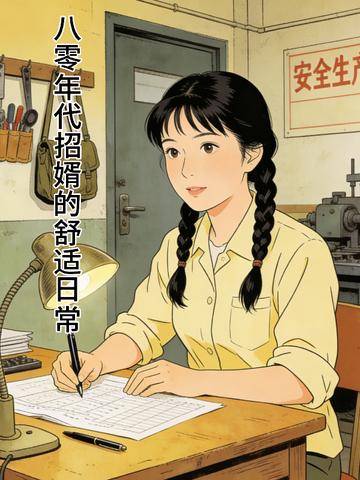

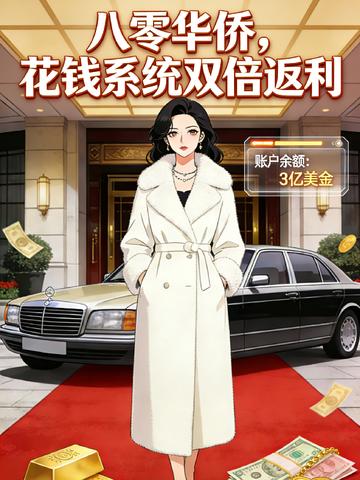



The writing is very good, like reading a prose. On the whole, each picture can be viewed as a section, and it is not watery. I don't know much about that era. I just don't know why children should go to night school when they are seven or eight years old. I always thought that when they are seven or eight years old, they have to go to a daytime elementary school.