[Alternate history + ensemble cast + political intrigue + mighty generals + warfare + intelligent characters]
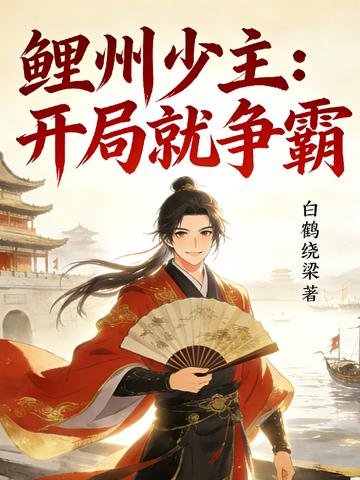
From the start, it is the end of a dynasty. The Son of Heaven hangs himself, and the realm shatters into a puzzle scattered across the ground. The warlords roll up their sleeves and fight over territory, proclaiming themselves kings and hegemons as battles rage everywhere.
Only Wang Quanxing makes no grab for power or land. Instead, he sets up a porridge kitchen by the city gate and ladles out food to the refugees, one spoonful at a time.
Everyone thinks the boy must have read himself stupid. What use are refugees? Can you eat them? A crowd of deadweight will drag him down sooner or later. Neighboring Guizhou is already minting a king's seal, while he's still cooking porridge. What a joke.
But when the warlords grow tired of fighting over territory, they suddenly realize: Huh, why is Lizhou City getting more and more prosperous? Holy crap, how did the Lizhou army get so strong?
Only when their army is smashed, horse and rider together, into the moat by a single blow from Wang Quanxing's second brother, Wang Quanba, sending up a ten-foot splash, do they finally lie in the mud and look up at the young man on the city wall, hammer in hand, howling from the depths of their souls:
“That hammer must weigh at least nine hundred pounds! Is that thing even human?!”
The early story focuses on wits and lays the groundwork; this is not pure wish fulfillment. The top-tier generals in this book are exceptionally powerful, so don't read if that bothers you.
It's a pretty good fictional novel about hegemony. The writing style is quite serious, and the character of the protagonist is also in line with the times. It's not the kind of awkward story that tells a story about hegemony and insists on adding some modern ideas. This novel even has a bit of a martial arts feel.
The plot and fighting are both very well written and worth reading.
It's a very nice book, and it feels a bit like a romance between the Sui and Tang dynasties. However, the main character appears a little late in the beginning, and I couldn't stand it if I didn't have the patience. Maybe it would be better if the author could change it.
It's okay, but many place names are not fictional history!
The structure is clear, the logic is clear, and the plot is well written. It is a good work.