In her entire life, Mai Niang killed only two chickens.
She gave the first to her husband when he left to seek an official post, and the second to herself.
Before she died, she told her son, “If you ever meet someone with nowhere left to turn, just give them something to eat.”
Her son didn’t take it to heart.
Ji put a water jar by the roadside and left it there for thirty years. No one knew who he was waiting for.
The day Heifu was captured, he carried in his arms the wooden slip his mother had carved. He died without ever managing to send it back.
Tugen waited five years for a customer who had broken his promise. When the man finally arrived, Tugen said, “Business runs on trust.”
Ahe gave birth in a ruined temple and remembered that man for the rest of her life. What was his name? She never asked.
Sixty-eight people, two thousand years.
They simply crossed paths at a crossroads, beside a well, or in a ruined temple.
Someone offered a bowl of porridge. Someone shared half a bowl of noodles. Someone pointed out a road. Someone said a few words.
Then they went their separate ways and never met again.
They didn’t know how that thread would be passed on.
But it was passed on for two thousand years.
This book isn’t about heroes.
It’s about the person you meet along the road.
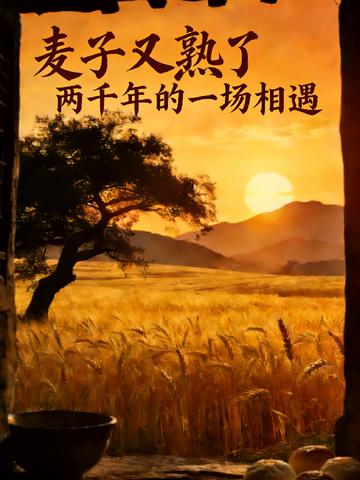
Great book! This book uses stories to describe the various situations of all living beings - everyone is burdened with fate and struggles in difficulties. It tells the story of the sufferings in the world, but also hides hope. At the same time, it also expresses the cycle of life and love is the core of inheritance. The words are simple and the emotions are deep and moving.
2,000 Years of connections between people have made us what we are today.
It's a good book. The author's writing is concise and the story is wonderful. I recommend everyone to read it.