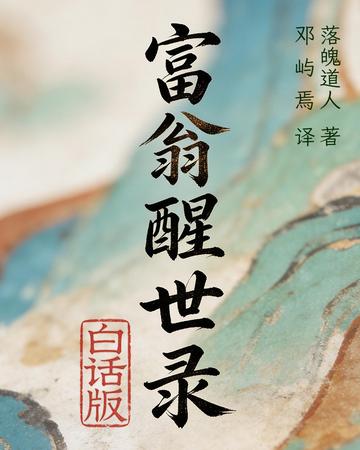
A classic representative work of vernacular allegorical novels from the Qing Dynasty, it has been reprinted many times since its publication, with a total of sixteen chapters. The core character of the novel is the rich man Qian Shiming, whose name is homophonic to "money is life". He was only profit-seeking throughout his life, and used any means to amass wealth. He exploited his neighbors, defrauded relatives and friends, treated his servants harshly, was ungrateful, and even sacrificed human life in order to compete for "money from his children and mother," which vividly demonstrated the greed and ugliness of human nature.
In addition to the protagonist, the book also depicts a series of vivid negative characters such as Shi Liren and Mo Yongsheng. They either succumbed to the power, clung to the powerful, or were clever and calculated, which comprehensively outlined the ugliness of all living beings in the society at that time who were coerced by money.
The story ends with the tragic ending of Qian Shiming, who loses all his gold and silver, betrays all his relatives, and throws himself into the sea in despair, which profoundly confirms the philosophy of life that "when things are full, they will fall apart, and when things are extreme, they will be reversed." The core purpose of the work is to advise the world to look down on the rich and the poor, to abandon greed, to uphold the principle of "a gentleman loves money and gets it in a proper way", and to warn people not to let money devour their true heart.
The work uses "money from mother and son" as the core clue throughout the entire text. Through the ironic writing style of laughter and scolding, it reveals the distortion and corrosion of money on human nature. It has the dual value of realistic criticism and moral education. It is a classical novel with great awakening significance.