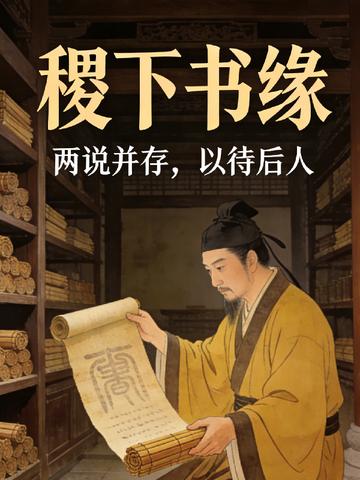
In the middle of the Warring States period, the Jixia Academy in the state of Qi reached its height. Zou Yan, a junior keeper of the archives in Linzi, was sorting old bamboo slips when he stumbled upon a fragmentary collection recording events from ancient history. Its accounts of Yao, Shun, and Yu differed sharply from those of the Confucian and Mohist schools.
The fragments’ origins were shrouded in mystery. They were said to have come from an “anonymous collection of books” rescued from a great fire thirty years earlier. That fire had killed Zou Yan’s adoptive father, the former director of the archives.
Taking the fragments with him, Zou Yan visited the scholars of the academy. Tian Qijian of the Confucian school insisted that the Mohists were spreading heretical nonsense. The Mohist Qin Guli lamented that “each believes in his own Way.” Zhuang Zhou of the Daoist school laughed and remarked, “Rather than fight over them, we should forget one another.” Zou Yan of the yin-yang school saw in them the secrets of the cycle of the Five Virtues, while Hui Shi of the School of Names pointed out, “This is not a dispute over historical facts, but an argument about names and reality.”
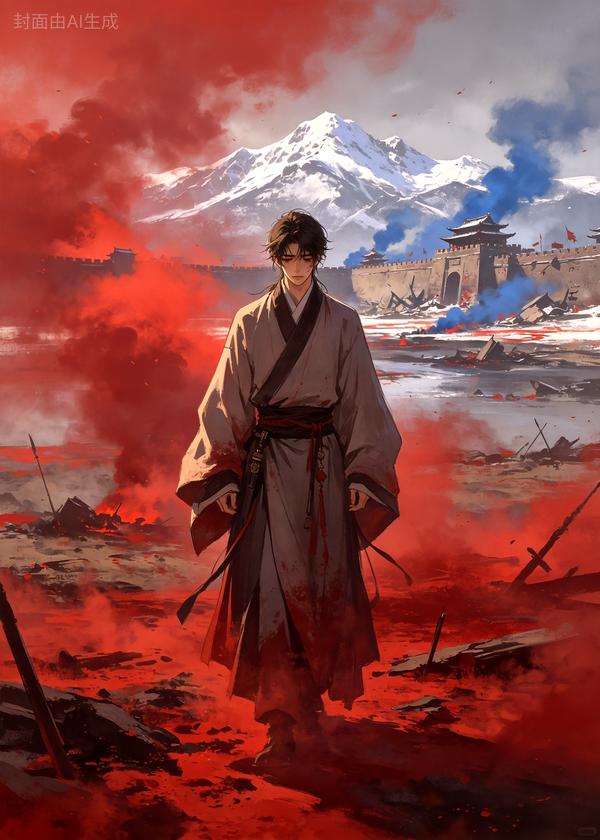
As his investigation deepened, Zou Yan uncovered a shocking secret behind the fragments. Thirty years earlier, scholars from six states had secretly gathered in an attempt to reconcile the texts of the various schools and compile a “book accepted by all under heaven.” But this “Jixia Alliance” ultimately fell apart. Its participants died or scattered, and the unfinished book was reduced to ashes.
Zou Yan was swept into a game of strategy spanning rival schools of thought and warring states. Some wanted him to destroy the slips, some to hide them, some to alter them, and some to pass them on. One sentence he read on those few surviving slips became his lifelong conviction:
“Let both accounts stand, and leave judgment to those who come after.”

Jane in history, mystery in history