In 2024, Chen Zhiyuan traveled to the Qing Dynasty overnight. He is not here to take the imperial examination - he is here to watch those who are rushing to take the exam.
In a dilapidated courtyard, he met 73-year-old Meng Xianzhang - he had just passed the exam after taking the exam for 43 years. From then on, he began to see: he saw Zhou Laotong still memorizing the Analects of Confucius all his life, saw Fan San win the imperial examination but his mother died, saw Mr. Yan so poor that he even saved lamp oil, saw Kuang Er go bad and come back on his knees, saw Mr. Ma looking for "the kind of noodles made by his mother" all his life...
He saw how they lived, how miserable they were, and how helpless they were. He saw it, remembered it, and wrote it down.
After the book was published, letters poured in from all directions. Some people say "that's my dad", some say "that's my grandfather", some say "that's me". Mr. Meng's grandson came and continued writing; his students came and went to teach in a small town; his students' students came and were admitted to Peking University; the next generation, just born, was called studying.
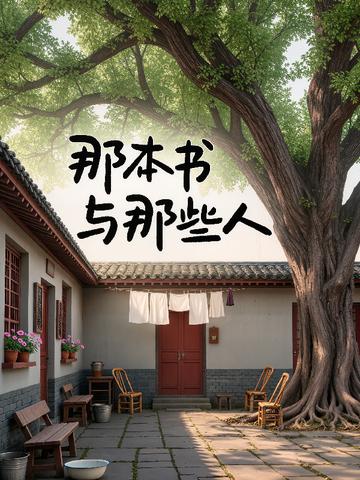
In the small courtyard, four trees grew there - the old one, the middle one, the small one and the smaller one. Four generations, standing under that old locust tree.
This is not a story about the imperial examination. This is a story about "seeing" - if you see it, you will remember it; if you remember it, you will live; if you live, you will live forever.
Reader comments
Although the imperial examination system of the Qing Dynasty is surprising, the work "The Scholars" tells us that no matter how difficult the road is, we must go on.
Although the imperial examination system of the Qing Dynasty is surprising, the work "The Scholars" tells us that no matter how difficult the road is, we must go on.