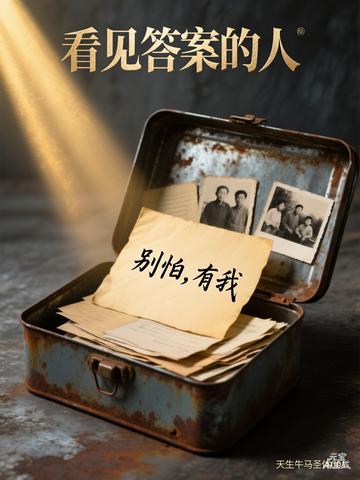
In 2012, 23-year-old Shen Wang found a rusty tin box after his grandfather's funeral. Inside is an old letter from 1981, with only six words: "Don't be afraid, I'm here." This unsent letter is like a key, opening up the silent past of his family.
Through the relics in the box and the dusty diary of an old man, Shen Wang began to piece together the fate of four generations: his great-grandfather lost his land due to "composition" during the land reform era and was depressed throughout his life; his grandfather retracted his move to Shenzhen before the wave of reform and opening up because of the weight of the family; his father finally chose to stay behind when faced with the opportunity to move south during the wave of layoffs. Every generation, at the fork in the road of the times, makes the "most adequate" choice of that era, but also leaves behind lingering regrets.
Shen Wang wandered around Beijing with these "hindsights", struggling between ideal and reality. He gradually understood that behind those so-called "misses" and "dare not dare" was concrete love and sacrifice. When the answer to history emerges clearly, the real dilemma has just begun: Having seen all the reasons clearly, can he get out of the cycle of fate? "The Man Who Saw the Answer" is a family epic about choice, cost and understanding. It explores an eternal proposition: We only see the original simplicity after the fact, and how this "seeing" can illuminate the way forward.