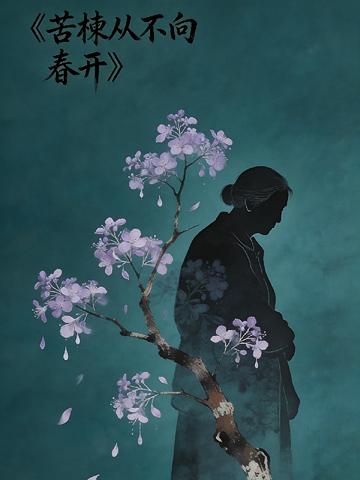
Orphaned by the deaths of her father and mother on the same day at the age of eight, Liu Lianzi picks up a bowl of thin porridge that had cost her mother her life. In the ancestral hall, she holds a kitchen knife to her own neck to protect the younger siblings sobbing behind her. For ten years, she endures hardship, giving her youth and strength to hold the family together, only to push her younger sister Mianhua into the hell of an exchange marriage with her own hands. Mianhua bites her hand and says, "You owe me for the rest of my life." Her younger brother drives her out with a broom so he can marry his bride. When she helps an animal give birth in the cowshed, people call her cruel and say she brings bad luck to husbands...
Beneath the bitter chinaberry tree, the woman begins to write her own rules for survival in blood and with her life. This is not a domestic tale of sisters turning against each other, but a blood pact and a rebirth forged in desperation by two women exploited both by their era and by their own family.
Editor's Recommendation: If To Live explores the endurance of suffering, Bitter Chinaberry Chronicles lays bare its fangs, and how it is first fed to you by your own family. With the force of an iron plow, the narrative carves an epic of two women into the yellow earth with blood and tears. When an older sister marries off her younger sister to secure a match for her brother, and the younger sister jumps into a pit to save her older sister, what we see is no melodrama, but an era devouring women's flesh and blood with ruthless precision. Lianzi, hard and sharp as bitter chinaberry; Mianhua, resilient and unyielding as cotton. In the grip of fate, they forge a fierce and magnificent act of "filicide" and self-rescue. Read it to give voice to the voiceless, and make the unrecorded struggle to survive ring out like thunder.
The scene in the nursing home is truly touching. The loneliness and desolation in the last journey of old age is written with sincerity and emotion, revealing the coldness of human nature! There are many loopholes in the book as a whole. For example, Xiaoshu said she was a girl at first and then said she was a boy! There was also a gold earring that was given to Sancheng and then later said to be sold to Sancheng's son and so on! There are many flaws, but the overall storyline is quite attractive! I have been waiting for the heroine to live a good life, but the heroine did not live a good life even before she died! It's very true. In real life, our parents, grandparents, including ourselves, don't we have such a life? But people are supported by faith, care and family affection. No matter how hard and tiring life is, they can still live happily!
Very nice. It's too bitter, very bitter, really bitter.
This story tells a very real past, it was like that, it was so painful
It's been a very hard life.
The author writes so well, I love reading it. Thank you so much to the author.