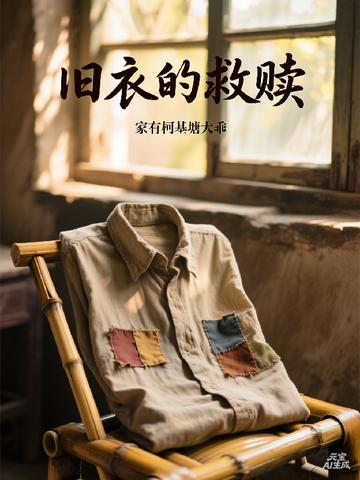
An old sweater from childhood was a thorn in Chen Mo's heart for half his life. It represents the lingering embarrassment of poverty years and the indescribable sting of family relationships. As an adult, he used money to weave gorgeous clothes and used expensive gifts as weapons, intending to cover up the humbleness of the past, but he fell into a deeper void and alienation. He distanced himself from everything and built a wall in his heart. He thought that he would be free by cutting off, but on an isolated island with rich clothes and fine food, he experienced the desolation shared by no one.
"The Redemption of Old Clothes" tells the story of the protagonist Chen Mo's spiritual journey spanning more than half a century. From material scarcity to success, from vindictive showing off to decisive "break-off", he has never gotten out of the shadow cast by that "old clothes". The real turning point begins when he no longer fights against the past, but turns around to face the scarred and deficient self in his heart. When he put aside the yardstick of measuring everything with money, and saw and helped the specific people around him with equal respect instead of charity, the deeply buried thorns finally softened quietly.
This is not a simple story of family reconciliation, but a profound fable about dignity, forgiveness and self-fulfillment. It explores whether wealth can truly heal the psychological wounds left by poverty, and examines the complex spectrum of human nature in Chinese kinship relationships. Chen Mo finally found a treasure more precious than worldly success - the warmth of his heart - in the tranquility of a mountain courtyard and the clarity of a cup of tea. That old piece of clothing never disappeared, but finally, under the cleansing of time and the sunshine of understanding, it shed all its hard defenses, revealing its true, soft texture, which is in harmony with life.