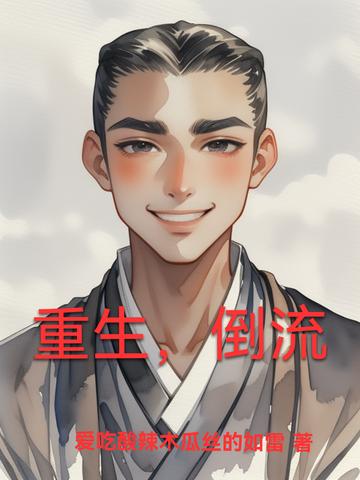
At the age of forty-eight, Jiang Yan died of pneumoconiosis. The smoke and dust of the county cotton mill for twenty years swallowed his lungs, his wife left, and his son was buried on the construction site before him. In the end, only the half-collapsed old house and the sunset in the valley at the entrance of the village were left, and he finished his life alone.
When he opened his eyes again, he returned to the autumn of 1993. His nineteen-year-old body contained two lifetimes of brokenness and sobriety. There is no golden finger or shortcut to the sky. God just throws him back to the starting point of his destiny and forces him to live again.
He no longer fights for the house occupied by his uncle, but only seeks a shelter in a leaky woodshed; he does not touch the life-threatening mines and factories, but digs the land on the neglected river beach to survive. He repaired old farm tools, planted slow-ripening fruit trees, saved a widow who jumped into a well in his previous life, and patched up the fragmented first half of his life bit by bit.
There are hesitations, miscalculations, dilemmas that no one can solve, and even redemption hidden in the soil and fireworks. He doesn't seek wealth and wealth, he just wants to live a stable life and make things right one by one for what he owed, missed, and lost in his previous life.
From deserted fields to apple trees, from loneliness to the company of fireworks, Jiang Yan spent half his life proving that the so-called reversal of time is never about reversing time and changing one's life to become rich, but about using the insight of having died once to sweeten the bitter days and live a incomplete life to perfection.