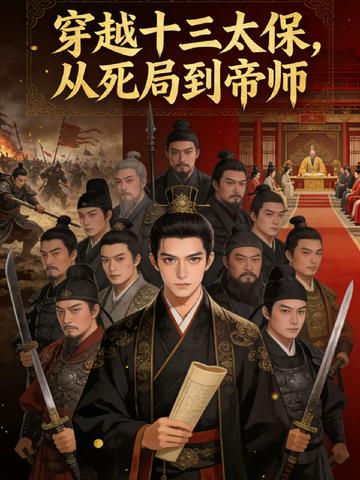
Ren Zhi, a graduate student in the Department of Modern History, accidentally traveled through time and became the thirteenth adopted son of Li Keyong, the founding emperor of the Later Tang Dynasty - Li Cunxu's brave general Li Cunxiao. At this time, it was the end of the reign of Emperor Zhuangzong Li Cunxu of the Later Tang Dynasty. The government was corrupt and the officials were in power. Li Cunxiao angered Zhuangzong because of his outspoken advice and was falsely accused of "having resentment and intending to rebel". He was imprisoned and was about to be given poisoned wine, leading to the tragic ending of "being framed and killed" recorded in historical records.
**Core Conflict Build**:
1. **Fatal Secret + Countdown Threat**: Ren Zhi possesses complete knowledge of the historical process in his mind. He knows that after Li Cunxiao was unjustly killed, Emperor Zhuangzong Li Cunxu would also die at the hands of an actor due to a mutiny, and the Later Tang Dynasty would quickly fall into civil strife and destruction. He must hide his identity as a "prophet" and find a way to break the situation within the three-day countdown to death. Otherwise, not only will he die, but he will also watch the doomed collapse of this once-powerful dynasty.
2. **Villain agent + environmental hostility**: The frame-up group headed by Jing Jin, a court official, and Guo Chongtao, a powerful official (who had a rift with Li Cunxiao in history), are determined to put Li Cunxiao to death in order to consolidate their power. The entire Luoyang court was filled with hostility and alienation towards this "disgraced Taibao", and its resources and connections were almost completely cut off.
3. **Mission Impossible**: A prisoner awaiting death who is on death row, has lost his military power, and has betrayed all his relatives must, within three days, reverse the emperor's murderous intentions and shake up the entire corrupt government with only his knowledge and wisdom beyond his time.
**Character Dilemma and Breakthrough**: Ren Zhi uses modern game theory and psychology