#Mystery and the Supernatural #Urban #Monster Containment #Chinese Folk Customs #Feel-Good Workplace Fiction
#Government Agency #Civil Servant #Tales of the Strange #Episodic Cases
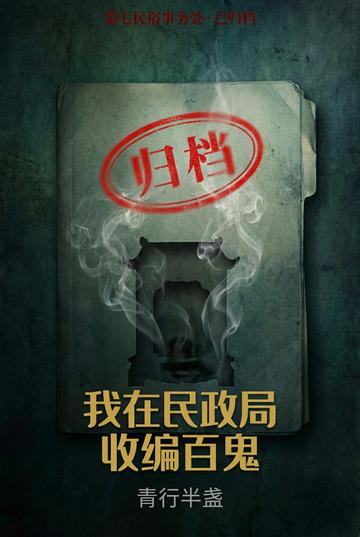
On his first day as a civil servant, Lu Chen discovers that what he’s been given isn’t an office access card, but a copy of the New Employee Handbook for the Seventh Office of Folk Affairs.
Rule One: When encountering a folk anomaly, maintain your professional composure. Screaming is prohibited.
He thought he’d passed the exam for a job at the marriage registration office of the Civil Affairs Bureau.
In reality, his new post is with the “Seventh Office of Folk Affairs,” which handles reports of “folk anomalies” from across the country. His salary follows civil-service standards, work trips are reimbursed, overtime comes with a stipend, and his performance reviews are tied to the number of monsters he contains.
The Gu Mother of Miaojiang, corpse-driving in western Hunan, chaotic shamanic rites in the Northeast, and water ghosts seeking substitutes in southern Fujian: these folk taboos dismissed as “superstition” are actually instruction manuals for the monsters left behind by those who came before.
Lu Chen studied civil engineering. The first thing he learns isn’t how to exorcise ghosts, but how to understand folk entities through the logic of mechanics, then file the matter away with a properly formatted Folk Anomaly Case Closure Report.
The budget is tight, reimbursements are a hassle, the bosses slack off, and his colleagues only care about travel stipends.
But sometimes, when he opens the field notes his grandfather left behind, he finds a crossed-out line in the corner of a page. Those erased words unsettle him more than any monster.
Rich and exciting content