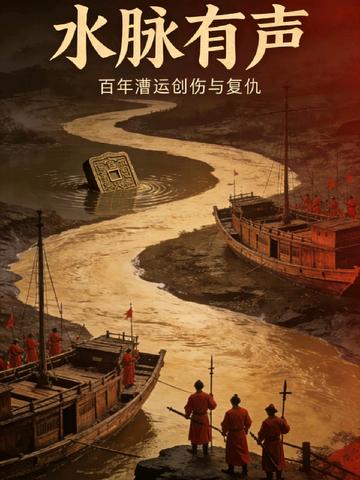
In the seventh year of Yonghe, the Qinglong Ferry dike burst.
It wasn't a natural disaster. It was a man-made one.
To preserve its fragile foothold, the southern court deliberately cut off the Grand Canal route north of the river, leaving a million refugees to drown in the floodwaters.
A vital artery of the dynasty was stained with blood and cursed forever.
Eighty years later, refugees in red gathered in the north.
Yang Da crawled out of a mound of corpses, raided government granaries, rallied an army of sworn brothers, and accepted an official seal, rising from a starving wretch to an imperial pacification envoy.
He thought putting on an official robe would make his cause legitimate, that a northern campaign could wash away a century of humiliation, and that returning to his village would bring peace to the people.
But sand was mixed into the army's grain, canal boats sank, and a single court decree abandoned the north to isolation once more.
Red robes were stained with blood, the rebel army scattered, and old friends died.
The river cut off all those years ago still flowed;
the hatred planted then had long since taken root.
Another fifty years passed, and storms rose along the coast.
The descendants of the canal workers of old became the blade that brought down a nation.
One river flowed for a hundred and fifty years,
and drowned the very people who had first breached its dike.
Water is the lifeblood, and every sound carries the grief of the past.
Those who sank to the riverbed, were buried in the earth, or vanished from the history books
have never been silent.