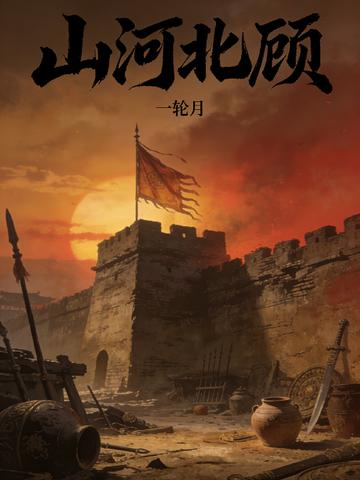
In the last row of the Zhu family ancestral hall, kneeling was a young man named Zhu Zhao. He was wearing an old brown coat that had been washed white, and he heard the children of the Zhu family in front of him whispering - "Why does that person named Pei kneel to the ancestors of our Zhu family?"
He doesn't know the answer. He only knew that his father died when he was two years old, and his mother took him to remarry the Zhu family. From then on, his surname was Zhu, he lived in the Zhu family, and lived in the Zhu family. All he knew was that the orphan girl named Shen Wan asked him "What are you thinking about" at the well platform, and then said something that he will remember for a lifetime: "It doesn't matter what your last name is, what matters is who you think you are."
Who does he think he is?
It wasn't until the first month of that year that he received a yellowed letter with only eight words on it: Be upright and upright, and read clearly. The signature was his biological father - the man he had never met and was buried five miles north of Bingzhou City.
From that day on, he had a direction: to return to his clan, recognize his ancestors, and live as a human being.
But he didn't expect that this road would last a lifetime.
This is a story about roots.
How many roads does a person have to travel to find his or her last name? How many times does a person have to go through separation before he learns not to look back?
The mountains and rivers are looked at in the north, and the old friends say goodbye to the west. He has been walking north all his life - to return to Bingzhou, to the border, to the court - but every time he looks back, there is always a figure standing there, not waving, not speaking, just looking at him.
That was the warmest and coldest scenery in his life.