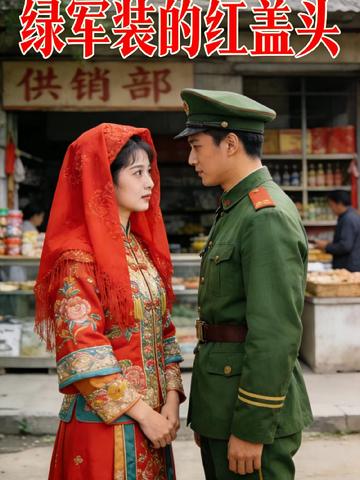
When she woke up, Lin Wanwan had become a young bride in a rural village in the 1970s, forced to take someone else’s place in marriage. Her military husband, rumored to have been wounded and disfigured, said only, “I’ll sleep on the floor,” on their wedding night, then barely spoke another word. Delighted to have some peace and quiet, she planned to make a fortune in this poor but hopeful era. But just as she got into college, started a factory, and climbed toward the top of her life, the taciturn man suddenly blocked her way outside the supply and marketing cooperative. “The organization wants to know: when are you submitting your application to join your husband at his post?” Lin Wanwan looked down at her swollen belly, nearly in tears. Wasn’t this supposed to be a marriage in name only?