From a speck of dust in the western frontier to the soil beneath the nine sacred tripods.
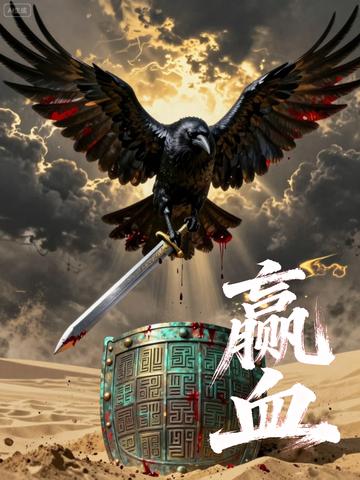
The story begins in myth: Nü Xiu, granddaughter of Zhuanxu, swallowed an egg laid by a dark bird and gave birth to the ancestor of the Qin people. Hundreds of years later, a horse keeper named Feizi was rewarded by King Xiao of Zhou with a tract of land because he raised horses so well. It was called Qin.
For the next hundred years or more, the Qin people did just one thing: fight the Western Rong. Several of their rulers died, while their territory pushed outward inch by inch.
Duke Xiang of Qin escorted King Ping of Zhou east, in exchange for an empty promise: “Take back the land in the west, and it will be yours.” He fought for twelve years and died on that very land.
Duke Mu of Qin used five sheepskins to buy back Baili Xi. Three hundred horse thieves rescued him from the battlefield. At the foot of Mount Xiao, he built a tomb and mourned the soldiers who had perished with the entire army. When he died, he took 177 people with him.
And there was Chong Er, the Jin prince with double pupils. He spent nineteen years in exile, begging for food in the State of Wei and having clods of dirt thrown at him. In the State of Chu, he made a promise to retreat three leagues in battle. He did not return home to claim hegemony until he was sixty-two.
This is their story. It is also the story of Qin.
Today, the Shaanxi History Museum displays a golden woodpecker just 1.6 centimeters long, excavated from the tomb of a Qin duke. When it was buried underground more than two thousand years ago, the Qin people knew what it was: the egg swallowed by Nü Xiu, the first stirring of the empire.


It feels like listening to history like watching a movie. Very interesting 👍