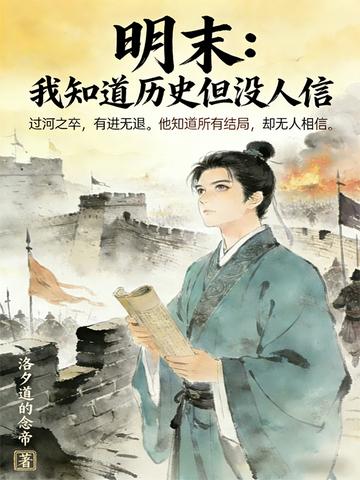
After transmigrating as a poor scholar in the late Ming, Shen Mo discovers that his mind contains a complete history of the world.
He knows when the rebel forces will breach the city. He knows where the Later Jin will break through the pass. He knows that the fierce general before him will die in battle at Ningwu Pass three years from now.
But there is nothing he can do.
He warns them the rebels are coming, and they accuse him of spreading heresy and misleading the people.
He says trouble is brewing on the border, and they beat him out of the government office.
All he can do is watch history repeat itself, watch tragedy unfold again and again.
Until he meets them: the generals guarding the frontier, the people driven from their homes, the officials who refuse to bow their heads.
They are willing to believe him, willing to stand with him and defend that doomed, isolated city.
At the Xuanfu beacon towers, he improves the firearms and trains a new army.
At Ningwu Pass, he drinks blood wine with the soldiers and fights to the death without retreating.
He knows the outcome is set, yet he chooses to take the field all the same.
Knowing history does not mean you can change it.
In this age of chaos, earning someone’s trust is harder than foreseeing the future.
A pawn across the river can only advance, never retreat.
This is a battle they are bound to lose,
but someone has to fight it, so those who come after can see.