Introduction: Zhu Shou, the duke of the town, the governor of military affairs, the mighty general, the chief military officer of the Ming Dynasty, and the Dharma king of Daqing, returned to Hongzhi in the 18th year after experiencing the baptism of his life.
Looking at the Gonggun princes in the court, Zhu Houzhao sneered: "In this life, I will let you see what a real emperor is, and let you see what the most stern and loving father of feudalism is."
"Tell me where the money is hidden. I'll give you half a stick of incense. Cry? Crying counts as time."
"The land is yours, and the food grown is also yours? Why should you take advantage of all the good things in the world?"
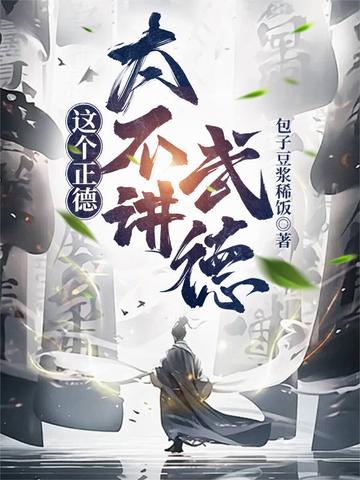
Also known as "The Moral Tyrant"
Reader comments
The writing is very good and the historical materials are detailed. If you look into the rebellion of King Ning carefully, it should be the emperor's instruction. Someone reported it very early and even added a guard to him. This is too unreasonable. Of course, it is certain that Wang Yangming worked hard to quell the rebellion of the scholar-bureaucrat class, including building up momentum and fame for him after the success, and being promoted as a saint. This book can write that King Ning's rebellion was ordered by the protagonist. After the event was completed, it was called exile, but in fact he was enfeoffed overseas. This is also interesting.
The writing is very good and the historical materials are detailed. If you look into the rebellion of King Ning carefully, it should be the emperor's instruction. Someone reported it very early and even added a guard to him. This is too unreasonable. Of course, it is certain that Wang Yangming worked hard to quell the rebellion of the scholar-bureaucrat class, including building up momentum and fame for him after the success, and being promoted as a saint. This book can write that King Ning's rebellion was ordered by the protagonist. After the event was completed, it was called exile, but in fact he was enfeoffed overseas. This is also interesting.
The first hundred chapters are pretty good.
Good, good, good, good