### Introduction to "The Burning City in the Heart of the Earth"
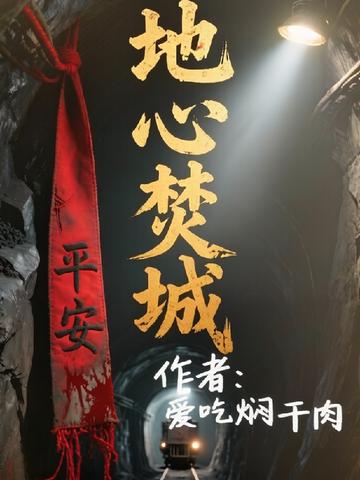
When the 300-meter-deep cage fell into darkness, Wang Tiezhu clutched the red belt sewn by his mother - this strip of cloth soaked in his father's blood became his only talisman in the Heifengkou Coal Mine. In this behemoth, which produces an average of 8,000 tons of coal per day, the 38°C high temperature at the working face bakes salt frost out of work clothes. When gas breaks out, coal dust is like black volcanic ash that swallows life. The mine director is replacing the hydraulic support that is supposed to protect the miners with half a box of Maotai.
During a gas explosion in 2016, veteran miner Li Dahai stuffed his last oxygen mask into an 18-year-old recruit, turning himself into a bloodstain on the rock wall. Among the relics, Wang Tiezhu found a USB flash drive in which the mine director had tampered with safety records. When he knelt in front of the mining department with a white cloth signed by thousands of people, his broken ribs pressed against the ground, and blood dripped into the cinders, like a sacrifice to the black earth.
From a fined "thornhead" to a technician operating a smart tunnel boring machine, his ten years are a bloody epic for miners: he uses his spine to carry the hydraulic column, uses his lungs to filter coal dust, and uses his tears to dilute the bitterness of the mining disaster. When the electronic screen of the "smart mine" replaces the headlight, will the coal slime solidified in the work boots, the cracks in the safety helmet, and the half of instant noodles in the refuge cave be sealed by the times like abandoned tunnels?
This is not a counterattack story, but a group of people who tie their lives to a tightrope and polish a lamp in the darkness - even if the lamp oil is their blood and tears.