Lin Surui, the youngest female chef in Shanghai to earn three Michelin stars, was moved to tears by an anti-Japanese war novel. The soldiers in the book ate tree bark and grass roots and boiled their belts into soup, breaking her heart. “If only I were there, I could at least make sure they got a proper meal.”
A flash of white light, and she transmigrated to the North China front in 1940, bringing along a god-tier provisions System.
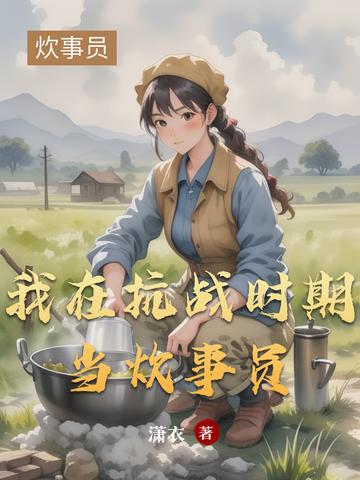
Faced with soldiers so emaciated that they were little more than skin and bones, suffering from night blindness caused by malnutrition, the “Iron Lady” rolled up her sleeves and got to work: nutritious meals, strategic supplies, farming and livestock, pressing oil to trade for grain... She put all her Michelin kitchen skills to use over a single army cooking pot.
When the soldiers had their first steaming bowl of carrot soup, when the wounded miraculously recovered on her carefully prepared meals, and when the name “Grain Doctor” spread across the base, even the company commander asked through red-rimmed eyes, “Comrade Lin, who are you, really?”
Wearing a coarse-cloth apron, she stirred the bubbling pot of braised pork and smiled without looking back.
“Don't ask. Just eat. Not one of our soldiers is going hungry.”
This is a story about food and faith.
A modern woman chef uses a single army cooking pot to bring warmth to the years of war.
There are flaws, but the story frame is complete and the plot is touching. If you read it carefully, you will be rewarded with a little hardship. It is worth reading.

There are flaws, but the story frame is complete and the plot is touching. If you read it carefully, you will be rewarded with a little hardship. It is worth reading.