[Passion + sailing + feelings of family and country + epic + positive energy + no CP]
Eight hundred years ago, thirty-seven men from Quanzhou drove a wooden boat eastward into the Pacific Ocean where no one dared to go. Half of the people died, but the New World was finally discovered and a monument was erected: "The sea is so big that people can cross it."
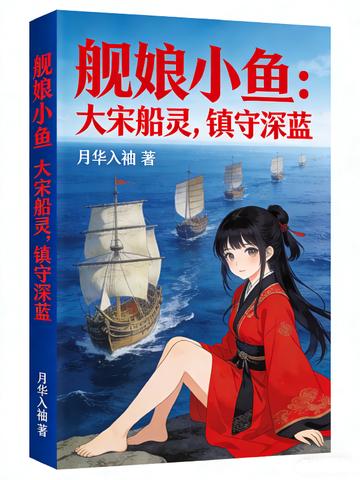
Eight hundred years later, the aircraft carrier formation sailed along the same route towards the deep blue. An immortal ship girl, "Xiaoyu", has witnessed it all - from wooden sails to giant ships, from lonely bravery to national prestige.
This is an epic story of the Chinese people walking on the sea for eight hundred years. Under every wave, there are the bones and blood of our ancestors; on every sail, there are the courage of our descendants.
I would like to dedicate this book to all Chinese people who live by the sea.
Reader comments
It's a very good novel. The writing is not outstanding, but you can feel the author's emotion between the lines. Unfortunately, due to limited review, we can only give a rough overview of modern times.
The overall story construction is relatively simple, telling the story of Shipling Xiaoyu from his birth to gradually understanding and identifying with his mission, to fulfilling his mission, and finally looking forward to the future. The narrative is well integrated with history, but the narration in the middle period (Yuan and Ming Dynasties) is a bit repetitive and confusing, and the length of modern times is a bit long. In addition, the author's emotional investment and historical reasons make it very depressing, resulting in a poor reading experience.
Overall it is highly recommended.
Somewhat interesting, the author is emotionally invested in it
It's a very good novel. The writing is not outstanding, but you can feel the author's emotion between the lines. Unfortunately, due to limited review, we can only give a rough overview of modern times. The overall story construction is relatively simple, telling the story of Shipling Xiaoyu from his birth to gradually understanding and identifying with his mission, to fulfilling his mission, and finally looking forward to the future. The narrative is well integrated with history, but the narration in the middle period (Yuan and Ming Dynasties) is a bit repetitive and confusing, and the length of modern times is a bit long. In addition, the author's emotional investment and historical reasons make it very depressing, resulting in a poor reading experience. Overall it is highly recommended.
Somewhat interesting, the author is emotionally invested in it