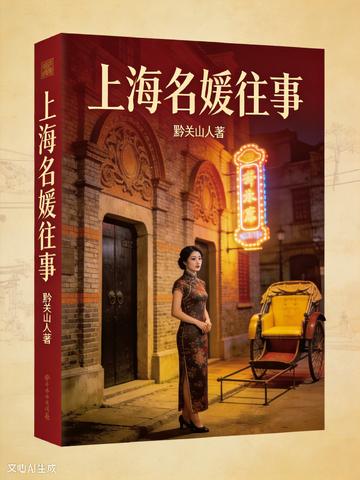
In 1943, in Japanese-occupied Shanghai.
Twenty-three-year-old writer Shen Zhiwei laid bare the hearts of people caught in turbulent times with her incisive prose. Her story “Rainy Alley” sent shockwaves through the literary world. Thirty-eight-year-old newspaper editor Lu Yanzhou held a senior post in the puppet government. Though he had experienced several romances, he traveled a thousand miles for her words and knocked on the door of her guarded heart.
He understood the loneliness between her lines, and she believed in the fleeting sincerity in his eyes.
In the foreign concessions, where war and rumors intertwined, she lowered her defenses and was willing to “sink into the dust” for him, because he wrote: “May the years be peaceful, and may this world know serenity.”
But there is no peace in a time of chaos, and deep love can rarely belong to just one person. When he turned away to hold someone else, and political disgrace clung to her like a shadow, the fiery pursuit that began with mutual admiration for each other's talent became a dream that burned her heart to ashes.
After a year and a half of silence and torment, she sent him a farewell letter with three hundred thousand silver dollars: “I don't love you anymore.”
From then on, she would write for no one, except to speak for millions of women who had been silenced. Rising from the ruins of heartbreak, she founded a school for girls and published books, reclaiming her light from the ashes. She finally understood that true love is not about lowering yourself for another, but about kindling your own flame.
Dustlight Chronicle draws on a deeply controversial romance from the Republican era, but tells a more resilient story of a woman's awakening.
This is not only a tragic love song from a time of chaos, but also a soul's journey toward self-redemption, women's independence, and the power of words.
She once threw herself into the flames for love,
but in the end, she became the light.