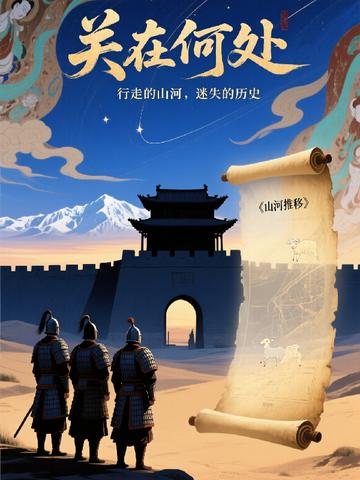
After reading "Where to Stay", you will see——
A "living" historical map: walking through passes, breathing mountains, and changing river courses become the driving force of the plot
Historical narrative in three dimensions: individual persistence of garrison soldiers, local governance of county guards, and imperial observation of historians
An imagination across disciplines: the collision of historical geography, archaeology, ancient astronomy and literary imagination
A fundamental question: How much of what we call "history" is bound by a static geographical view? If mountains and rivers themselves are writing history, are humans just its footnotes?