Dynasty Icon | Traditional Martial Arts | Single Female Protagonist | No System, No Golden Finger
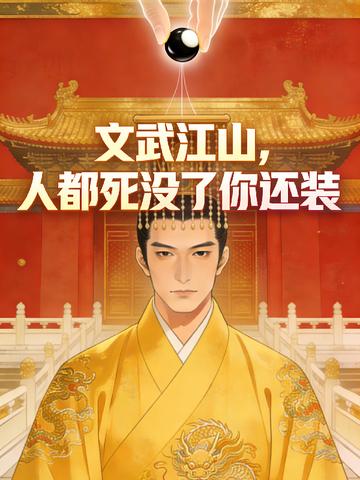
When I finally stood at the top of the court, the shocking truth suddenly came crashing down: conspiracy, it was all a conspiracy, and I was the only pawn, and the one who was destined.
A chess game with no winner.
A carefully planned catastrophe, a carefully laid chess game. I struggled to survive and grow up amid deadly assassinations and strange "helps."
Blood and betrayal have smoothed away his unruliness. His flesh and blood body crawls in the mud, and force makes way for power. Am I the savior or the ultimate chess piece?
I am not a born emperor, but a conspiracy that spanned twenty years and forcibly made me the leader of the world.
At the pinnacle of power, looking at thousands of miles of mountains and rivers, is the way forward to defend this prosperous age, or to break this chess game? The answer lies in endless confusion.
Reader comments
The protagonist starts the game by talking about a chess piece in the hands of others. After reading it, I couldn't calm down for a long time, and I couldn't express some feelings.
Are these so-called trainings really good for him? Or is it just to make the chess piece sharper?
After being used as a pawn for half your life, and all your efforts are for other people's ambitions, who can not be crazy?
The young man who could laugh, trust others, and be soft-hearted towards his classmates will forever remain in his mind the night the truth was revealed. He won, but I think he lost.
In this book, the author wants to outline not only the rise and fall of a dynasty, but also the protagonist's rise from humble beginnings, with every step stepping on the edge of human nature and interests - the intrigues in the court and the iron horse fighting at the frontier. The narrative is given a heavy historical texture.
This is not only a history of dynasty changes, but also a legend of a young man searching for himself amidst the lights and shadows of swords.
The protagonist has no cheats, only a heart unwilling to sink. He started as a small person and fought his way through a mountain of corpses and a sea of blood - here there is the brotherhood of fighting side by side, the battle of wits when meeting opponents, and the torture of human nature when facing the temptation of power.
The most touching thing is the youthful spirit of "Thousands of people will leave, but I will go". When the whole world was teaching him to compromise, he chose to guard the Tao in his heart.
The most rare thing is that when you applaud the victory of a battle, you can turn around and see the desolation behind the war. This is not only a history of struggle for hegemony, but also a profound discussion about ideals, loyalty and cost. If you like deep, flesh-and-blood Machiavellian stories, this book is worth reading.

The protagonist starts the game by talking about a chess piece in the hands of others. After reading it, I couldn't calm down for a long time, and I couldn't express some feelings. Are these so-called trainings really good for him? Or is it just to make the chess piece sharper? After being used as a pawn for half your life, and all your efforts are for other people's ambitions, who can not be crazy? The young man who could laugh, trust others, and be soft-hearted towards his classmates will forever remain in his mind the night the truth was revealed. He won, but I think he lost.
In this book, the author wants to outline not only the rise and fall of a dynasty, but also the protagonist's rise from humble beginnings, with every step stepping on the edge of human nature and interests - the intrigues in the court and the iron horse fighting at the frontier. The narrative is given a heavy historical texture. This is not only a history of dynasty changes, but also a legend of a young man searching for himself amidst the lights and shadows of swords. The protagonist has no cheats, only a heart unwilling to sink. He started as a small person and fought his way through a mountain of corpses and a sea of blood - here there is the brotherhood of fighting side by side, the battle of wits when meeting opponents, and the torture of human nature when facing the temptation of power. The most touching thing is the youthful spirit of "Thousands of people will leave, but I will go". When the whole world was teaching him to compromise, he chose to guard the Tao in his heart. The most rare thing is that when you applaud the victory of a battle, you can turn around and see the desolation behind the war. This is not only a history of struggle for hegemony, but also a profound discussion about ideals, loyalty and cost. If you like deep, flesh-and-blood Machiavellian stories, this book is worth reading.