In the history books, the Taiping Heavenly Kingdom was a tragedy. The Northern Expedition and the civil strife in Tianjing meant that old things were hard to change.
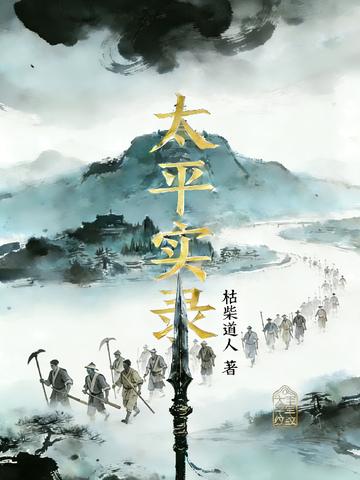
But I still want to write a different story about the war - with Ling Polu, a charcoal-burning boy from Guangxi, as the protagonist, retracing the stormy road.
Both of his parents died, and his fate was like a straw. He started to rise up because of the sentence "All brothers and sisters in the world are equal."
He does not seek glory or power, he only sticks to his original intention of seeking livelihood for the poor.
With the help of Ling Polu, I rewrote that period of regret: abandoning light troops and advancing rashly, starting from Shi Dakai, we fought steadily, launched the Northern Expedition, and finally won a complete victory.
History is a foregone conclusion and there is no way to turn back, but I am still willing to use my pen and ink as a lamp to let those ideals that have sunk in the years truly shine into the world in my stories.
This book brings peace to my heart.
Reader comments
Based on the miserable life experience of Ling Polu, a young man from the coal kiln, he wrote about the pain of the lower class in the late Qing Dynasty. From fate being like a piece of grass to uprising wearing a red scarf, the awakening is natural and powerful, the writing is melancholy and tragic, and the opening chapter is gripping.
Based on the miserable life experience of Ling Polu, a young man from the coal kiln, he wrote about the pain of the lower class in the late Qing Dynasty. From fate being like a piece of grass to uprising wearing a red scarf, the awakening is natural and powerful, the writing is melancholy and tragic, and the opening chapter is gripping.