The book is divided into volumes according to the chronological order of the Qing Dynasty emperors' rule. Each volume focuses on 1-2 core emperors. It is divided into four parts based on the founding of the country - governance in the prosperous times - turning point in the middle and decline - overthrow in the last days:
Part One: The Founding of the People's Republic of China (1616-1661)
This volume is the opening chapter, covering the three emperors Nurhachi, Taizu of the Qing Dynasty, Huang Taiji, Emperor Taizong of the Qing Dynasty, and Fulin, the ancestor of the Qing Dynasty. It tells the key process of the Qing Dynasty from the unification of the Jurchen tribes, the establishment of the Later Jin Dynasty/Qing Dynasty, to the entry into the Guan Dingding and the establishment of national rule, which is the core content of this volume.
Part Two: Volumes of the Golden Age of Kangxi and Qianlong (1661-1796)
Focusing on the three emperors Kangxi, Yongzheng, and Qianlong, it writes about the eradication of Obai, the pacification of the Three Feudatories, the taking over of Taiwan, the conquest of Junggar, the return of the land to the locals, and the seclusion of the country, etc., To sort out the peak of the prosperous age and the hidden crises.
Part Three: The Turning Point in China's Decline (1796-1840)
Taking Jiaqing and the early Daoguang period as the core, it describes the White Lotus Rebellion, official corruption, the influx of opium, and the decline of national power, the key points of the Qing Dynasty's transition from prosperity to decline.
Part Four: Doomsday Overthrow Volume (1840-1912)
It covers the Opium War to the abdication of the Qing emperor, and writes about the invasion of foreign powers, the Taiping Rebellion, the Westernization Movement, the Reform Movement of 1898, the New Deal in the late Qing Dynasty, the Revolution of 1911, and the end of the feudal dynasty.
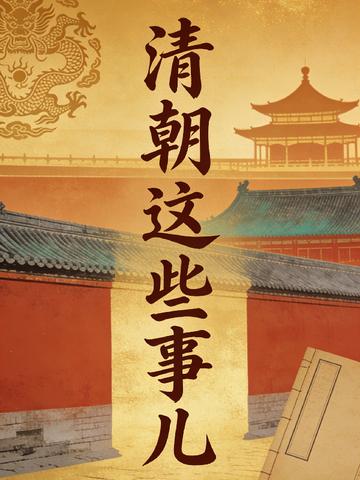
The Qing Dynasty turned out to be Jurchens